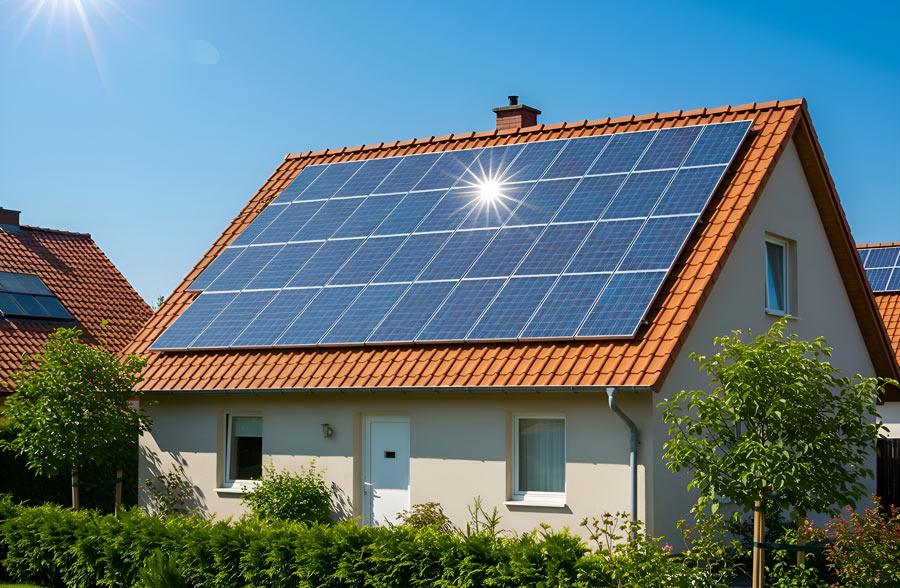
Yes, a home battery can store surplus electricity from your solar panels so you can use it later, including after sunset. Instead of sending all your spare generation to the grid, you can keep some for lighting, cooking, entertainment and other evening needs.
The important question is how much of your evening demand that stored energy can cover. This depends on how much solar electricity is available to charge the battery, how much usable energy it holds and what your household uses once the sun goes down.
How solar energy moves from daytime generation to evening use

In a typical setup, solar electricity first supplies appliances running in your home. When the panels generate more than those appliances need, the surplus can charge the battery. Once the battery reaches its charging limit, further surplus can usually be exported to the grid.
Later, when solar generation falls below household demand, the battery can discharge to help supply your home. This can happen before sunset as well as afterwards. For example, stored energy might support the house when late afternoon generation drops but cooking and appliance use increase.
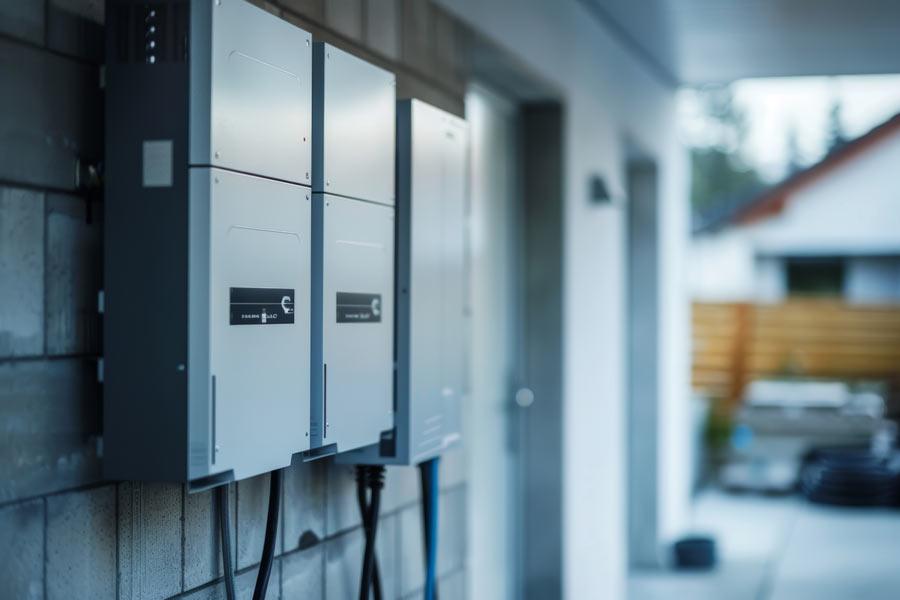
The system manages this automatically through its inverter and controls. You do not normally need to switch individual appliances between solar, battery and grid electricity.
Energy Innovation by Design’s home battery storage service can help you explore how storage would work alongside your solar installation and everyday electricity use.
How much of the evening can a battery cover?
There is no fixed number of hours that applies to every home. A battery supplying lights, a television and a fridge will last longer than the same battery also supporting an electric oven, immersion heater or electric vehicle charger.
As a simple illustration, suppose a battery has 4 kWh available to deliver to the home that evening. At an average household demand of 1 kW, that represents roughly four hours of supply. At an average of 2 kW, it represents roughly two hours.
Energy capacity and output power are different. Capacity determines how much energy is available. Output power determines how much demand the battery can meet at once. If several appliances exceed its output limit, the grid may supply the difference even while charge remains.
For questions about specifications and household requirements, our guide to choosing battery storage for your home explains the wider considerations.
What happens on cloudy days and through winter?

A battery can only store electricity that reaches it. A bright day with low daytime household demand may leave plenty of surplus solar energy for the evening. A dull day with several appliances running may leave much less.
Solar panels can still generate in cloudy conditions, although their output varies. Our explanation of solar panel generation on cloudy days looks at what this means for everyday use.
Shorter winter days generally provide fewer opportunities to charge from solar, while some households also use more electricity. The battery may therefore cover a smaller share of evening demand during winter than during brighter months.
Home storage is mainly useful for moving energy between different parts of the day. It is not a practical way to save summer solar generation for winter. Any charge left overnight can remain available later, subject to system settings and normal energy losses.
Getting useful evening energy from your system
You do not need to save every available unit of solar electricity for the battery. Using solar power directly while it is being generated avoids the energy losses involved in charging and discharging storage.
A useful approach is to balance flexible daytime tasks with the energy you want available later:
- Run suitable appliances during solar generation hours when convenient and safe.
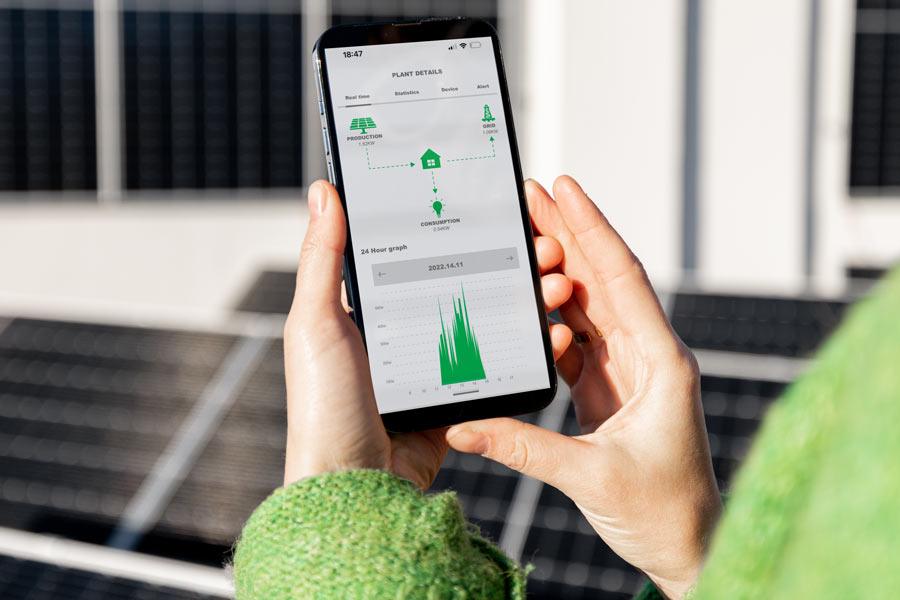
- Check your monitoring app to see whether the battery regularly reaches its charging limit.
- Look at when stored energy runs out, rather than judging performance from one unusual day.
- Where practical, avoid running several demanding appliances together if their combined demand exceeds the battery’s output.
Your installer can explain settings such as discharge schedules and minimum charge levels. A reserve may keep some energy unavailable for ordinary evening use, so the displayed charge percentage does not always tell you exactly how much energy the home can draw.
Will you still use the grid or have power during a cut?

Most homes with solar and battery storage remain connected to the grid. The grid can supply electricity when stored energy runs low, when solar generation is insufficient or when demand exceeds what the system can deliver.
Some systems can also charge from the grid. With a suitable tariff and compatible controls, this may let you store electricity during cheaper periods for use later. That stored electricity is not solar energy, and any financial benefit depends on tariff rates, losses and the way the system operates.
Evening battery use does not automatically mean power cut protection. Many installations stop supplying the home during an outage unless they include suitable backup equipment and configuration.
If backup matters to you, ask which circuits would remain supplied, how much power they could draw and whether solar could recharge the battery during an outage. These capabilities need to be confirmed for the particular installation.
Understanding the value of stored solar electricity
Using stored solar electricity in the evening can reduce the amount you buy from the grid. However, the value is not simply the number of units charged into the battery multiplied by your electricity price.
Some energy is lost during storage and conversion. You should also consider any export payment you would have received for sending that surplus electricity to the grid instead. Tariffs and system settings therefore influence the financial outcome.
The most useful starting point is your actual pattern of generation and consumption. If you regularly export solar electricity during the day and buy electricity again in the evening, storage may help bring those two periods together.
Reviewing representative days across different seasons gives a clearer picture than looking only at a sunny afternoon. The aim is to understand how often stored solar can replace grid electricity in your household, rather than expecting every evening to be entirely solar supplied.
- A home battery can store surplus solar electricity for use after sunset.
- Evening coverage depends on available charge, household demand and battery output limits.
- Direct daytime solar use remains useful because storage involves some energy losses.
- Grid charging and power cut backup depend on the system’s capabilities and configuration.
Frequently asked questions
Can a solar battery keep electricity until the next morning?
Yes, if charge remains and the system settings allow it. Overnight appliances may use some stored energy, so the amount available in the morning depends on demand and any reserve settings.
Can I add a battery to existing solar panels?
Often, yes. An installer can assess your existing inverter, electrical installation and monitoring arrangements to identify a compatible way to add storage.
Does the battery need to be full before I can use it?
No. A partly charged battery can supply usable stored energy, provided it is above its minimum charge or reserve level and its controls allow discharge.
What happens when the battery runs out in the evening?
In a normal grid connected installation, the grid supplies the electricity your home needs. You do not usually need to change anything manually.
Make more use of your daytime solar
Want to understand how stored solar could support your evenings? Talk to Energy Innovation by Design about your existing system, electricity use and what you would like battery storage to do for your home.