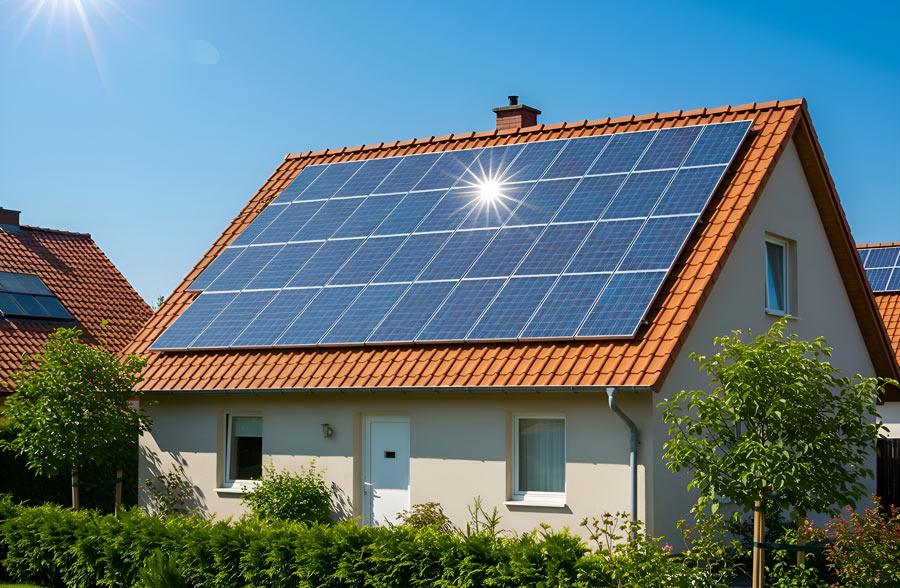
Yes, solar panels still generate power on cloudy days. They do not need bright sunshine to work, because solar panels use daylight, not heat, to produce electricity.
Cloud cover does affect output, so a dull day will usually produce less energy than a clear one. The useful question is not whether solar works when the sky is grey, but how much it can still contribute across a normal mix of weather.
How solar panels work when the sky is cloudy

Solar photovoltaic panels produce electricity when daylight hits the cells inside each panel. Direct sunlight is ideal, but diffuse daylight also carries usable energy. On cloudy days, sunlight is scattered by cloud before it reaches the roof, so the panels receive less intense light. They can still generate power, just at a lower level.
This is why solar generation rises and falls through the day. A bright morning may produce strong output, a heavy cloud bank may reduce it, and a clear spell later can lift it again. The system responds continuously to available daylight.
Cloudy weather is not all the same. Thin, bright cloud can still allow a useful amount of light through, while thick dark cloud reduces generation more noticeably. Rain itself is not the main issue. The important factor is how much daylight reaches the panels.
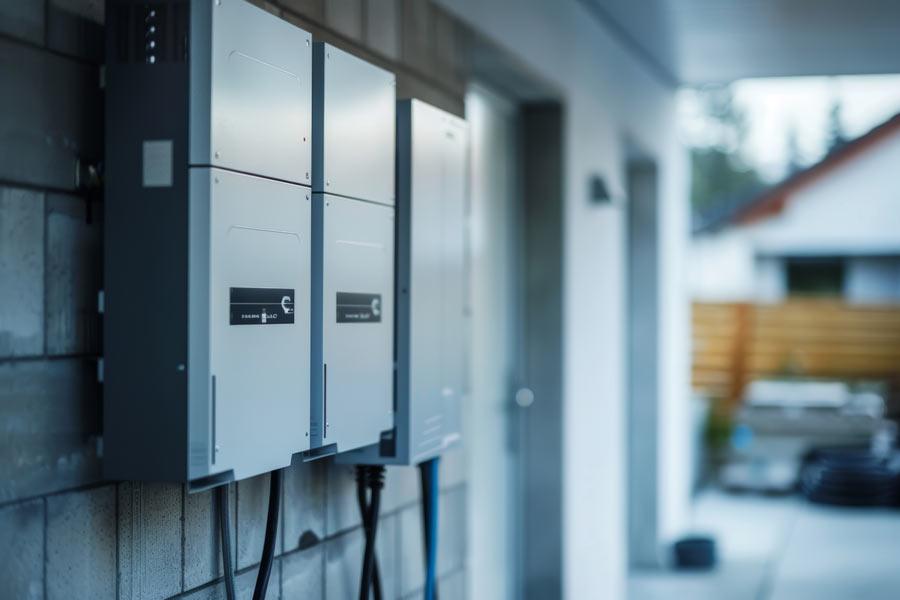
Good system design matters here. Panel layout, roof orientation, shading, inverter choice and installation quality all affect how well a solar array performs through changing conditions. A well planned solar power installation is designed around real household use and typical daily variation, not only perfect summer sunshine.
What affects output on overcast days
Several practical factors influence how much electricity solar panels produce when conditions are cloudy. Some are weather related, while others depend on the property and the way the system is installed.
- Cloud thickness: Light cloud usually allows more daylight through than dense, low cloud.
- Time of day: Panels usually generate more around the brightest part of the day than early morning or late evening.
- Season: Shorter days and lower sun angles naturally reduce total daily generation.
- Roof direction and pitch: The position of the panels affects how much daylight they can capture.
- Shading: Nearby obstructions can reduce output, especially if shade crosses part of the array.
- Panel condition: Clean, sound panels and tidy installation details help the system perform as intended.
It is worth thinking in terms of annual performance rather than judging solar by one dull afternoon. Solar panels are not expected to produce the same amount every day. They contribute across the year, with higher production during brighter periods and lower production during darker ones.
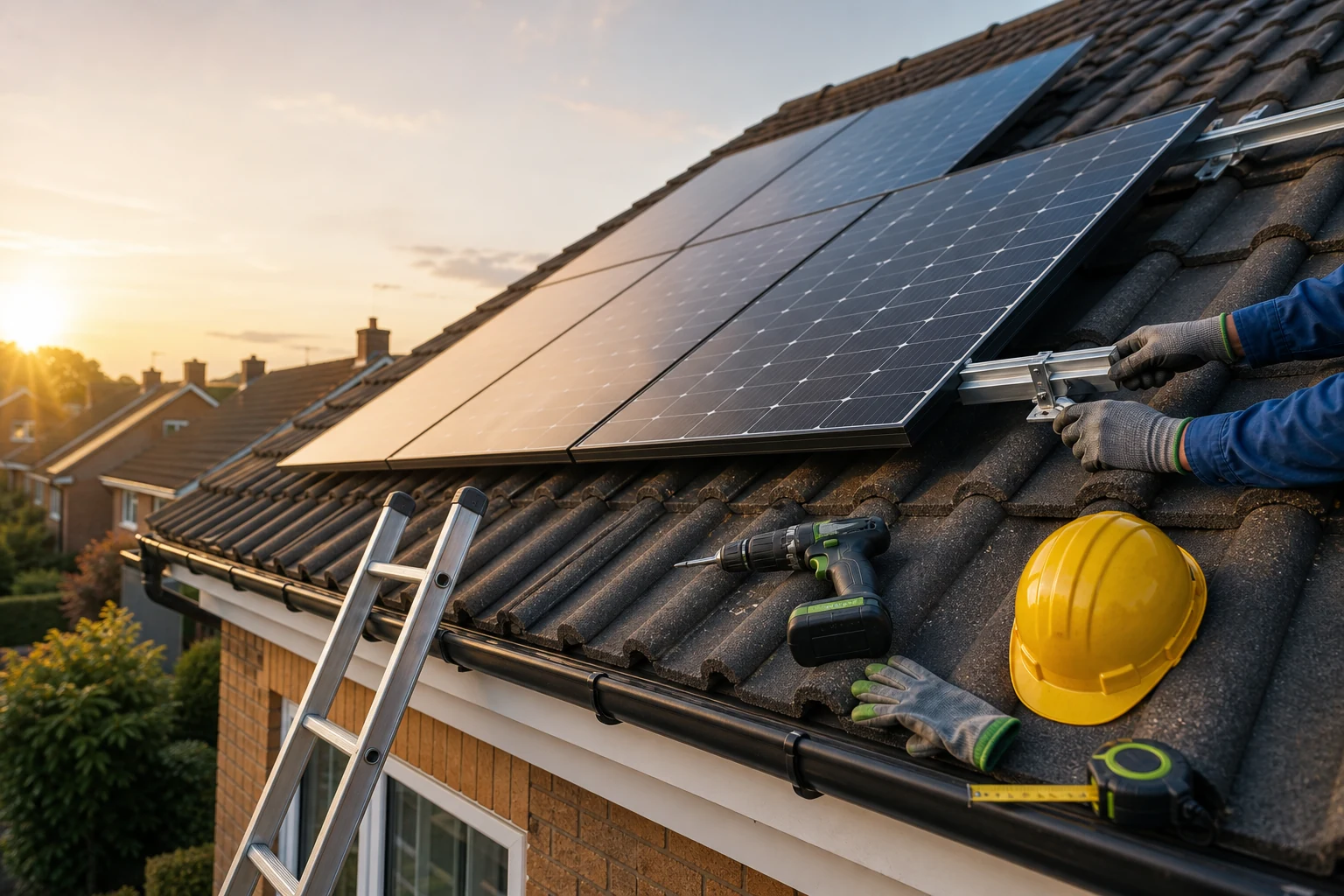
Before installation, the roof itself should also be considered. The structure, covering, access and available area all influence design decisions. If you are at the early research stage, it may help to understand how roof condition affects solar panel installation before comparing panel options.
Can solar panels power your home on a cloudy day

Solar panels can power appliances on a cloudy day, but whether they cover all of your demand depends on what the home is using at that moment and how much the system is generating. If generation is lower than demand, the home can draw the extra electricity it needs from the grid. If generation is higher than demand, the surplus can be used elsewhere, exported or stored if the system includes a battery.
Think of solar as part of the property energy mix. On bright days, it may cover a larger share of use. On cloudy days, it may still reduce the amount of grid electricity needed. Across many days, these smaller contributions still matter.
Typical daytime loads such as refrigeration, home working equipment, laundry cycles, charging devices and background electrical use can all benefit when panels are producing. The exact match depends on household habits. People who can shift some electricity use into daylight hours often make better use of their own solar generation.
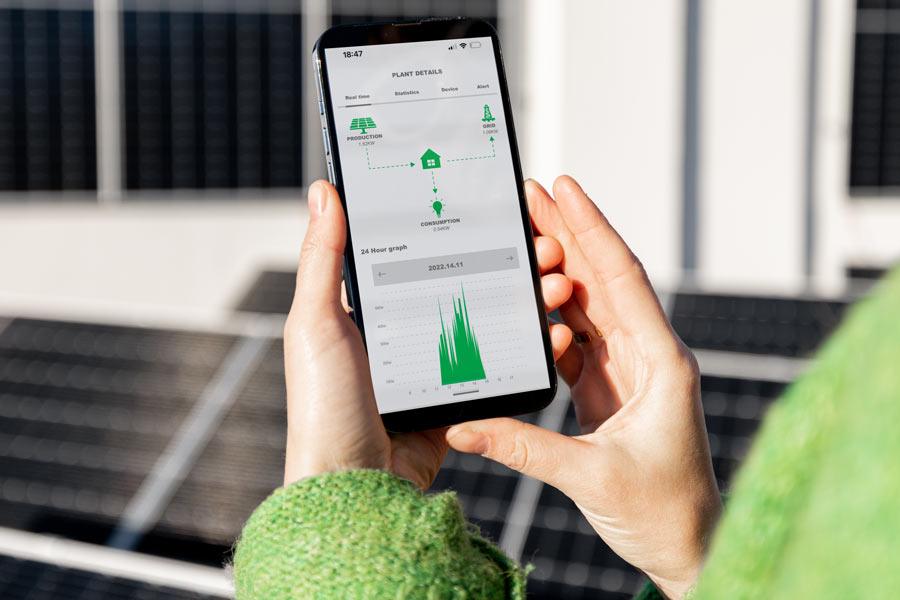
This is one reason monitoring is useful. A good solar system should make it easy to see when energy is being generated and how it is being used. Over time, that information helps owners adjust routines in simple ways, such as running suitable appliances when the panels are producing rather than waiting until later.
For a wider look at the financial side, Energy Innovation by Design has a useful guide on how solar panels can cut household energy bills. Cloudy days are part of that picture, but they do not remove the value of generating your own electricity.
Where battery storage fits in

Battery storage can make solar feel more flexible, especially when generation and household demand do not line up neatly. A battery stores surplus electricity from the panels so it can be used later, rather than sending it away immediately.
On a changeable day, the panels may generate well during brighter spells, then drop as thicker cloud passes over. With a battery, some of the electricity produced during stronger periods can be held for later use. This can help smooth out the stop start nature of solar generation during variable weather.
A battery does not make panels generate more electricity. It changes when you can use the electricity they do generate. That distinction is important. If a day is very dark and solar output is low throughout, the battery has less surplus solar energy to store. If the day has a few bright periods, storage can help capture more of that useful production for the home.
Battery size, household consumption and the solar array all need to be considered together. Oversizing one part of the system without thinking about the whole property can make the setup less balanced. If storage is part of your plan, Energy Innovation by Design has guidance on choosing the right battery storage for your home.
What to expect through the year
Solar generation naturally changes with the seasons. Longer, brighter days give panels more time and stronger light to work with. Shorter, darker days reduce the total opportunity for generation. That is normal and should be allowed for when planning a system.
A good installer will not base expectations on peak conditions alone. They should look at the property, the roof area, the likely shading pattern and the way electricity is used. This gives a more realistic view of what the system can do over time.
Cloudy periods can still be productive, especially when the sky is bright rather than heavily overcast. It is also common for solar output to change quickly as the weather moves. A dull start to the day does not mean the whole day will be poor, and a few clear spells can still add meaningful generation.
Owners often become more aware of these patterns once monitoring is in place. Instead of guessing, they can see generation rising and falling in real time. That makes it easier to understand how panels behave and how household use can be adjusted to make the most of them.
The key is to judge solar as a year round energy measure. Individual cloudy days are part of normal operation, not a sign that the system is failing. Well installed panels are designed to keep working whenever there is enough daylight available.
How to get the best from solar in cloudy weather

There are simple ways to improve the value you get from solar panels, even when the weather is mixed. The first is good planning before installation. The array should be positioned to capture available daylight effectively, while avoiding avoidable shading where possible.
The second is using electricity at the right time. If panels are generating during the day, it can make sense to run suitable appliances during those periods. This is not about making life complicated. It is about small changes that help you use more of your own electricity.
The third is keeping the wider system in mind. Inverter setup, battery storage, monitoring and future energy needs can all influence what design is most suitable. A household that expects its electricity use to grow may need different advice from one with steady demand.
Finally, choose advice that is grounded in the actual property. Solar is not a single product pulled from a shelf. The roof, wiring, daily use, budget priorities and future plans all shape the right recommendation. Cloudy day performance is part of that conversation, but it should be considered alongside comfort, reliability and practical everyday use.
- Solar panels still generate electricity on cloudy days because they use daylight, not heat.
- Output is usually lower in dull conditions, but thin cloud can still allow useful generation.
- Roof position, shading, season, panel condition and system design all affect performance.
- Battery storage can help you use more of the electricity your panels produce during brighter periods.
- Solar should be judged across the year, not by one cloudy day.
Frequently asked questions
Do solar panels stop working when it rains?
No. Rainy weather often means lower light levels, so output may fall, but the panels can still generate electricity if daylight reaches them.
Do solar panels need direct sunlight?
Direct sunlight gives the strongest output, but panels can also use diffuse daylight. That is why they still work when the sky is cloudy.
Is solar worth considering if the weather is often overcast?
Yes, it can still be worth considering. The right answer depends on the roof, shading, household electricity use and system design, so a property specific assessment is important.
Will a battery help on cloudy days?
A battery can help you use stored solar electricity later, especially after brighter spells. It does not increase panel generation, but it can improve how much generated electricity is used in the home.
Talk to Energy Innovation by Design
If you are weighing up solar and want clear, practical advice, Energy Innovation by Design can help you understand what is realistic for your property and energy use.