A good solar installation is not only about the panels. It is also about how carefully the roof is assessed, how neatly the system is set out and how respectfully the work is carried out around your home or premises.
If you are comparing installers, the right questions can help you spot a team that takes pride in tidy workmanship, safe access and a roof fit that looks considered from day one.
Start with the roof, not the panels
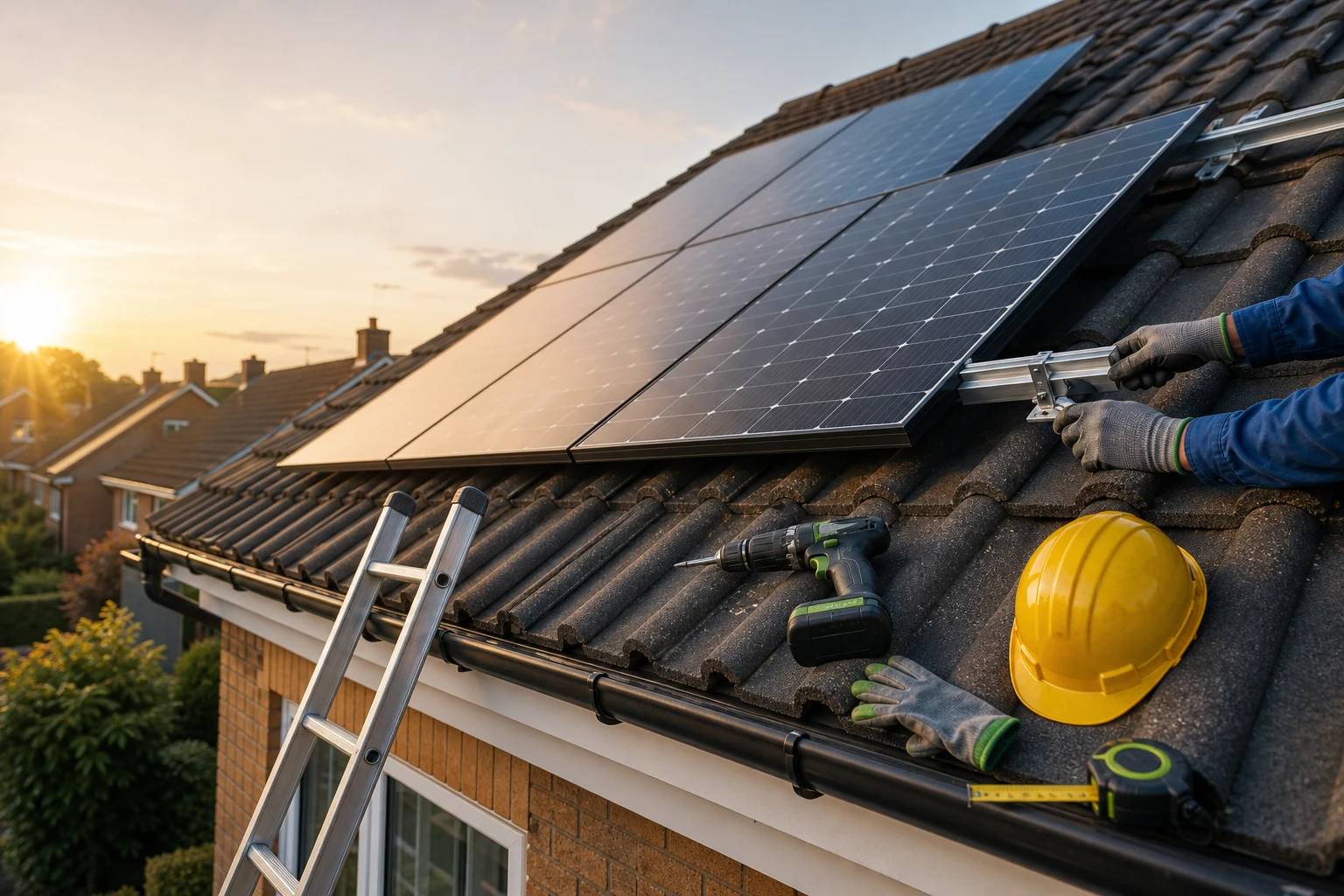
Before anyone talks about equipment choices, output or payback, they should want to understand the roof. A tidy solar fit depends on the structure, covering, pitch, orientation, shading, access and the general condition of the surface the panels will sit on.
A careful installer will ask sensible questions and, where needed, inspect the roof before recommending a layout. They should look for slipped tiles, tired coverings, fragile areas, drainage details and anything that could affect fixing points. If the roof needs attention first, it is better to know before panels are fitted than after the work has begun.
This does not mean every roof needs extra work. It simply means the installer should treat the roof as part of the system, not as a blank space. If you want to understand this in more detail, Energyinnovationbydesign has a helpful guide on how roof condition affects solar panel installation.
Ask what they check before installation, whether they assess roof condition themselves or work with roofing specialists, and how they handle any issues they find. Clear answers at this stage are a strong sign of a company that plans properly.
Look for a considered panel layout
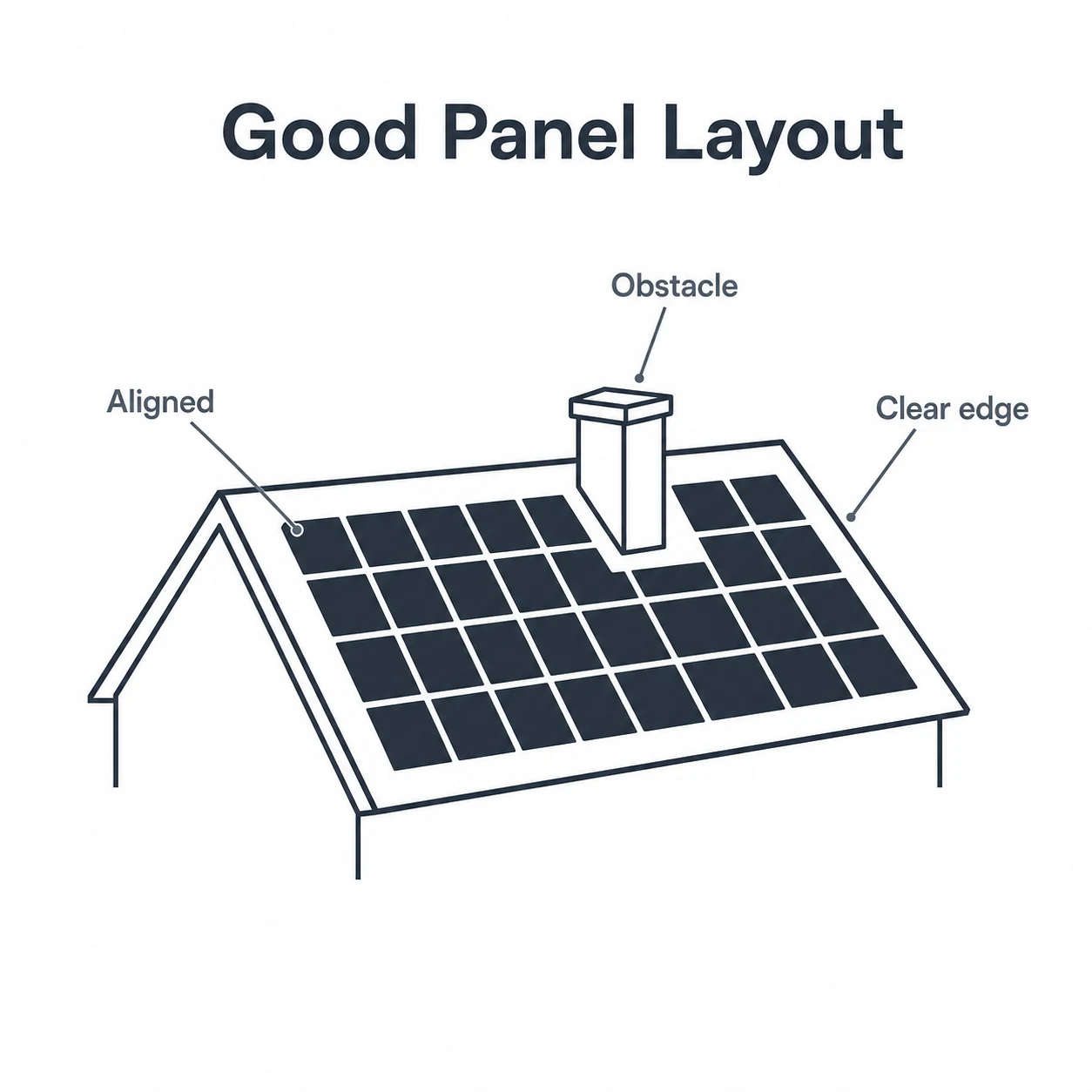
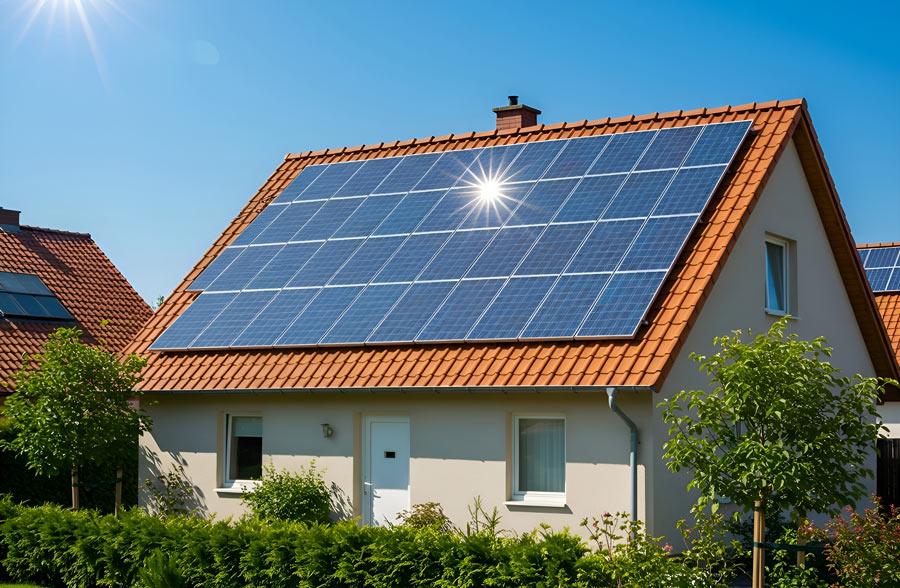
Panel placement should feel deliberate. The neatest installations usually come from a layout that balances energy performance, roof shape and practical access. Panels should not look squeezed into awkward spaces just to maximise numbers.
A good solar panel company will explain why panels are positioned where they are. They may talk about roof orientation, shading from nearby features, safe distances from roof edges, the route for cabling and future access for inspection or maintenance. You do not need to become a technical expert, but you should expect the logic to be clear.
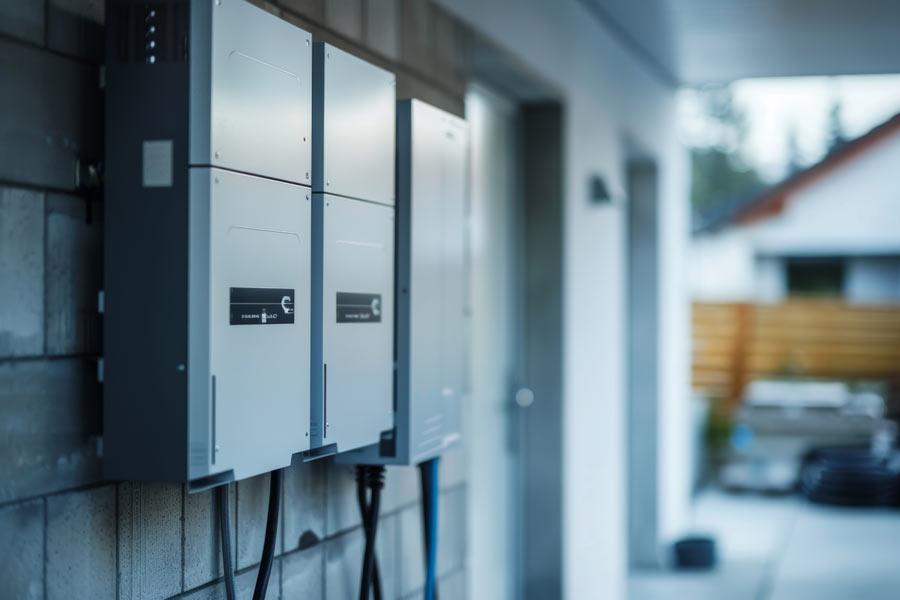
Be cautious if a quote shows only a rough number of panels with little explanation. A tidy roof fit needs a proper layout, not guesswork. Ask whether the proposed design will show panel positions, inverter location, cable routes and any roof areas that will be left clear.
It is also worth asking how the installer keeps the final appearance clean. Cable routes should be planned with care. Equipment should be positioned practically. Fixings should suit the roof type. None of this is decorative detail, it is part of good workmanship.
Ask how they protect the roof during the work
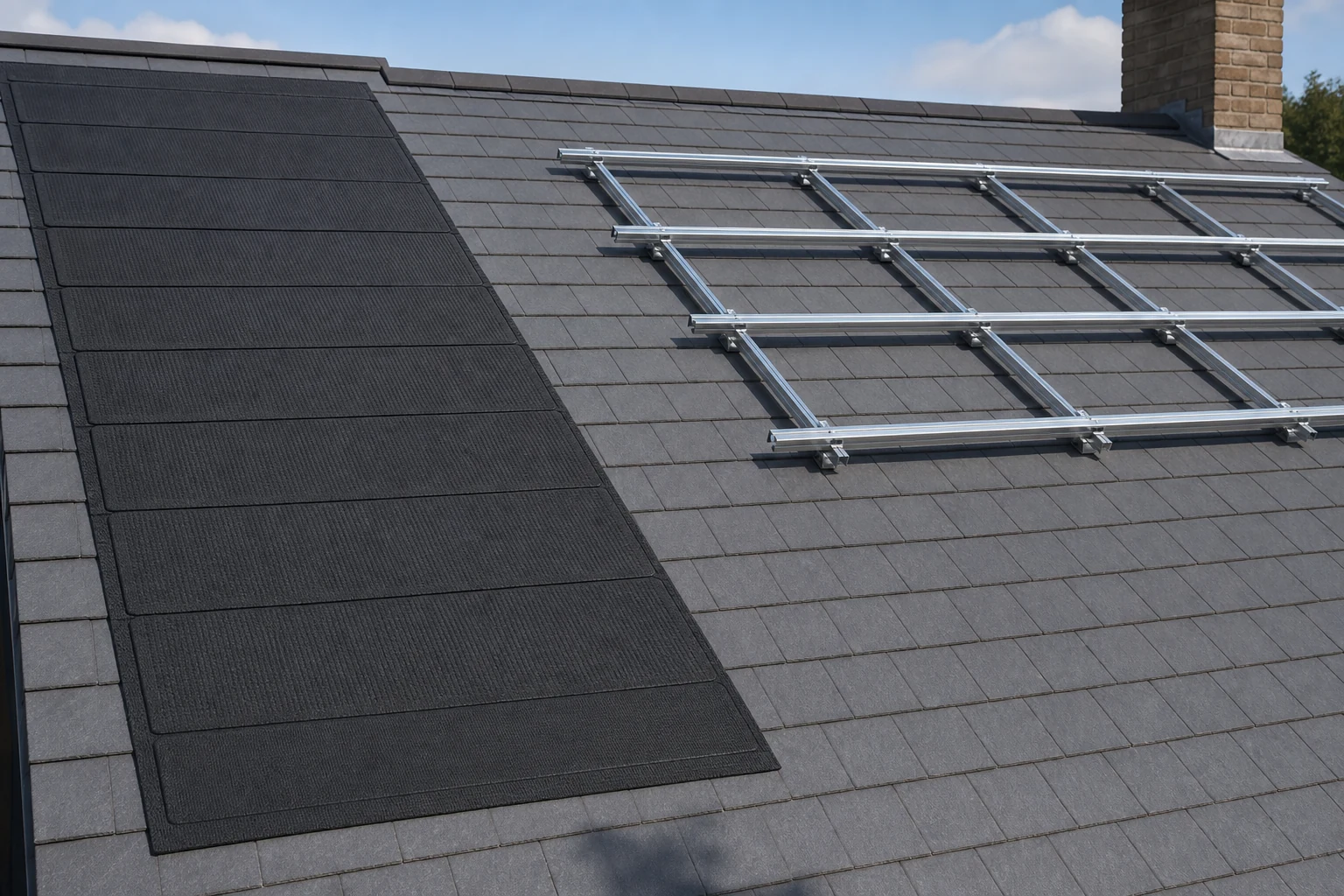
Solar installation involves people, tools, equipment and materials moving around the property. A professional team should be able to explain how they protect both the roof and the working area while the job is underway.
Good practice may include proper access equipment, safe lifting methods, careful storage of materials, controlled routes across the roof and a clear approach to replacing or making good any roof covering disturbed during fitting. The exact method will vary by property, but the attitude should be consistent: protect first, install carefully and leave the area tidy.
Ask what access equipment they expect to use and whether scaffolding, towers or other measures are needed. A reliable installer will not treat access as an afterthought. Safe, stable access helps the team work accurately and reduces unnecessary handling on the roof.
You can also ask how they deal with fragile roof areas, gutters, edges, roof windows and existing services. The answers should be practical rather than vague. A company that talks confidently about roof protection is usually a company that has done the work often enough to know where problems can occur.
Judge the quote by detail, not just price
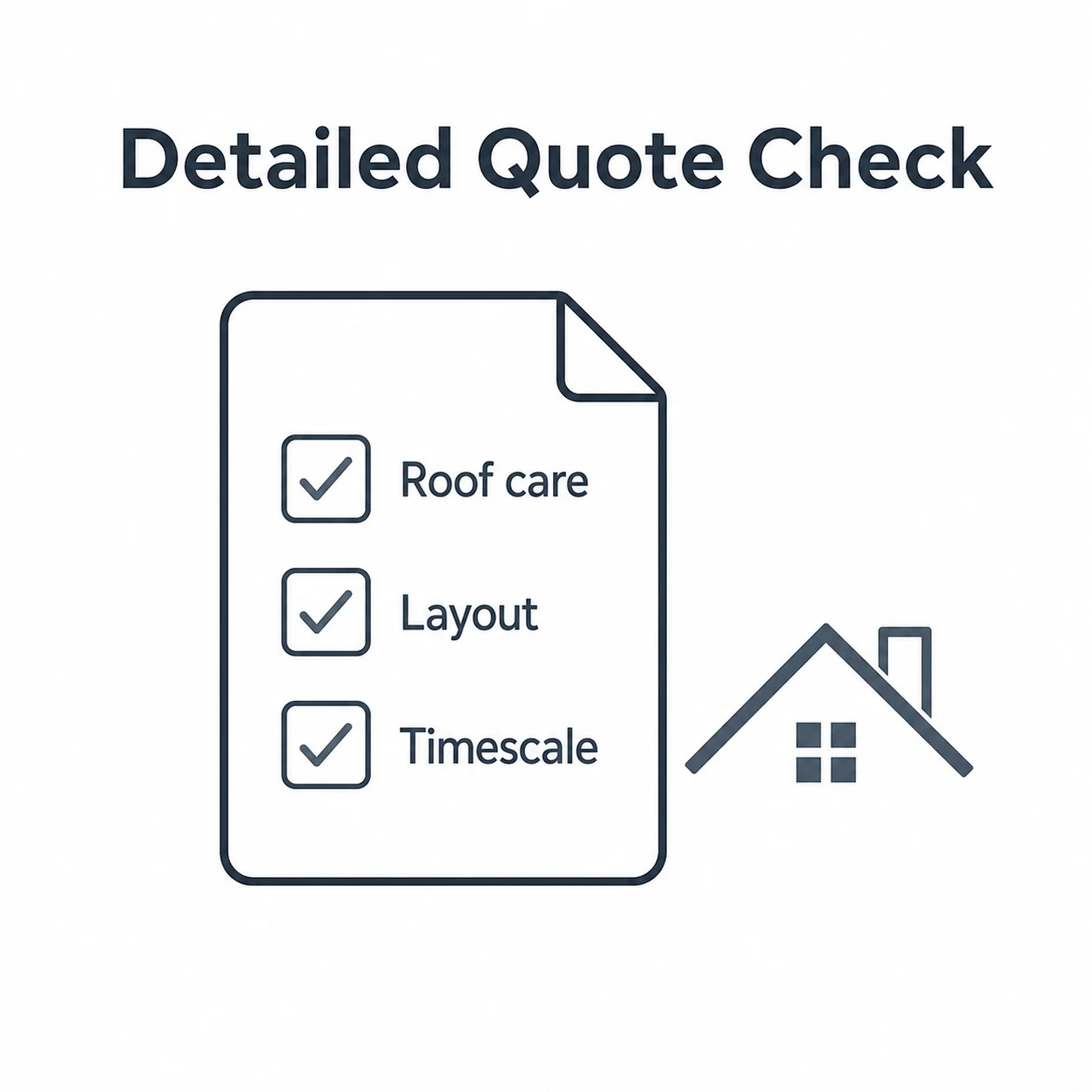
A clear quote should help you compare like with like. It should describe the proposed system, main equipment, installation approach and any assumptions about access, roof condition and electrical work. If something is excluded or depends on a later survey, that should be stated plainly.
The lowest figure is not always the best guide to value. A tidy, durable solar installation depends on planning, suitable components, careful roof fixing and competent electrical work. These are not extras. They are the basics of a good job.
Look for signs that the company has understood your property rather than issued a generic estimate. Has the quote considered the roof shape? Does it explain how many panels are proposed and where they will go? Does it mention the inverter and associated equipment? Does it make clear what happens before, during and after installation?
For wider context on the benefits of solar, including the way panels can support household running costs, see the guide to how solar panels can cut your household energy bills. A good installer should connect those benefits to a practical design that suits the building.
Check communication before you commit
The way a company communicates before the job often tells you how they will behave during it. You want clear explanations, realistic scheduling, tidy paperwork and a willingness to answer normal questions without pressure.
Ask who will be carrying out the installation, who manages the project and who you speak to if anything needs clarifying. It is reasonable to ask about accreditations, insurance, warranties and aftercare. You should also expect guidance on what needs to be ready before work begins, such as access to electrical areas or space for equipment.
A trustworthy installer will not make the process feel mysterious. They will explain what happens on survey, what is confirmed before fitting, how long the main installation stage is likely to take in general terms and what checks are completed afterwards. They should also explain how the system is handed over once it is working.
If you are reviewing options, Energyinnovationbydesign explains its approach to solar power installation in a way that can help you frame the right questions before asking for advice.
Know what tidy workmanship looks like
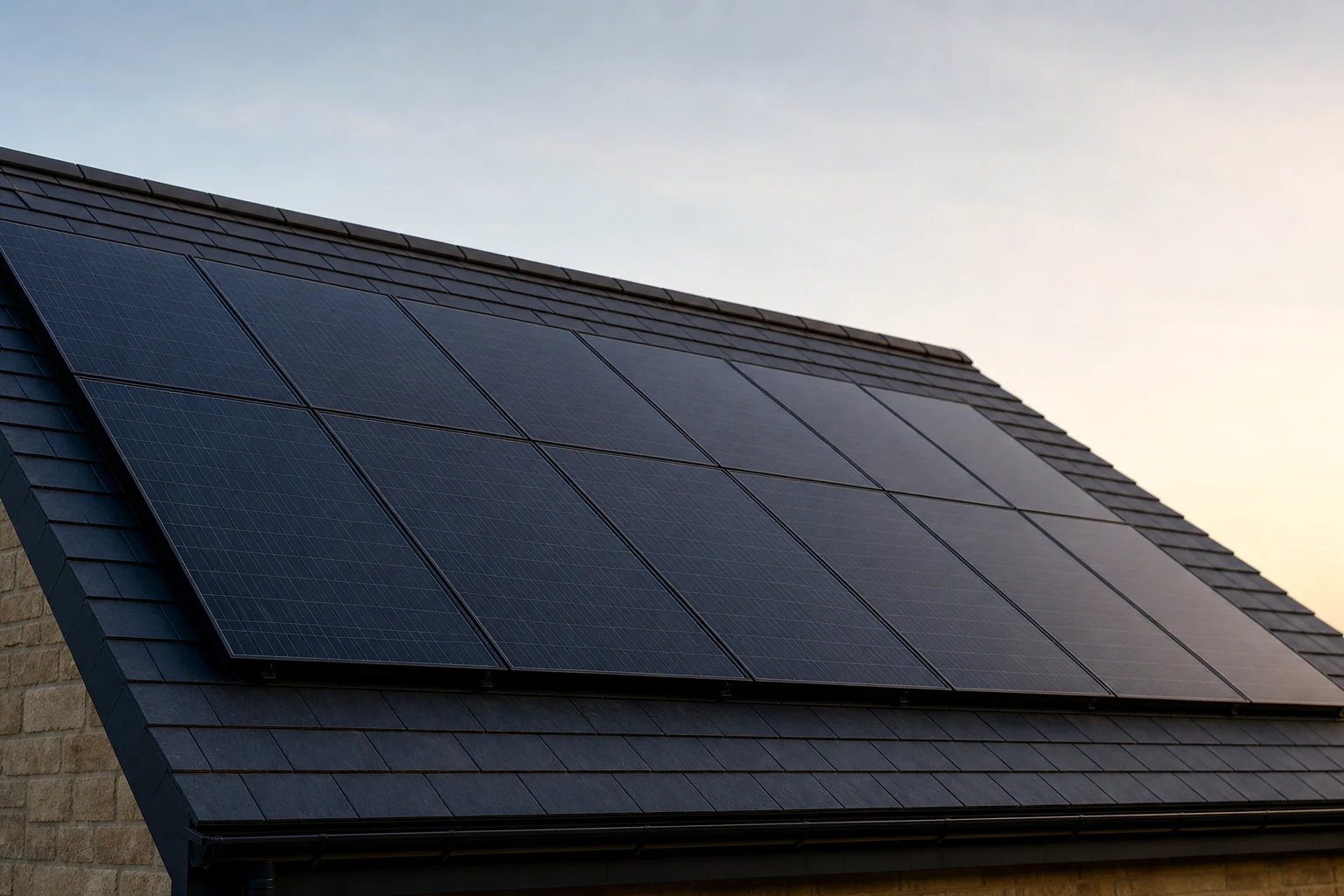
Tidy workmanship is about more than sweeping up at the end. It shows in the decisions made throughout the job. Panels should be aligned with care. Roof fixings should be appropriate. Cables should be routed neatly. Internal equipment should be accessible and sensibly positioned.
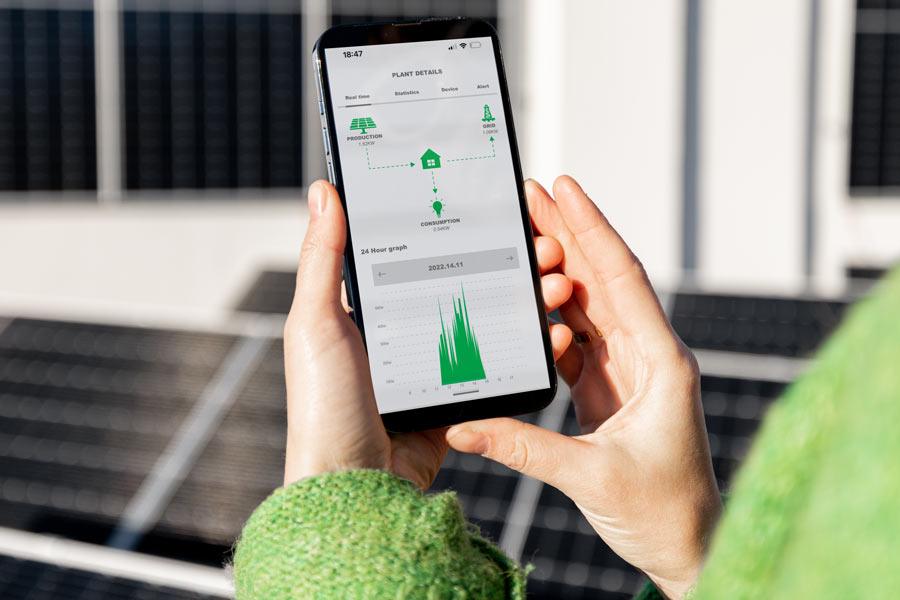
Ask whether the installer can describe how they finish the job. Do they test the system? Do they show you how it works? Do they explain basic monitoring or performance checks? Do they remove packaging and leave work areas orderly? These simple questions reveal a lot.
You can also ask what happens if the roof covering is damaged during installation. A professional answer should be straightforward. The best companies take responsibility for careful handling and have a practical process for resolving issues if they arise.
For flat roof or pitched roof properties, the details of the installation can differ, especially around mounting, drainage and roof access. If your property has a particular roofing setup, it may be useful to speak with a company that understands both solar and roofing principles, rather than treating the roof as a secondary detail.
- A tidy solar fit starts with a proper roof assessment, not just a panel count.
- Good panel placement balances performance, roof shape, access and appearance.
- Safe access equipment and careful roof protection are signs of a professional installer.
- A useful quote explains the design, assumptions, equipment and installation process clearly.
- Clear communication before the work is often a good indicator of care during the work.
Frequently asked questions
What should I ask a solar panel company before choosing them?
Ask how they assess roof condition, how they design the panel layout, what access equipment they use, how they protect the roof and what is included in the quote. You should also ask about warranties, insurance, accreditations and aftercare.
How can I tell if a solar panel layout is well planned?
A well planned layout should make sense for the roof shape, orientation, shading and access needs. The installer should be able to explain why panels are placed in certain areas and how cables and equipment will be positioned.
Should roof repairs be done before solar panels are fitted?
If the roof has issues that could affect the installation or future performance, it is usually better to deal with them before panels are fitted. A good installer will flag visible concerns and explain whether further roofing advice is needed.
Does tidy workmanship matter if the panels perform well?
Yes. Neat workmanship is often linked to careful planning, suitable fixing, sensible cable routing and easier future access. It helps protect the roof and gives you more confidence in the overall quality of the installation.
Planning a cleaner solar installation?
If you are considering solar panels and want a careful, practical installation, speak to Energyinnovationbydesign about the best approach for your roof and energy needs.