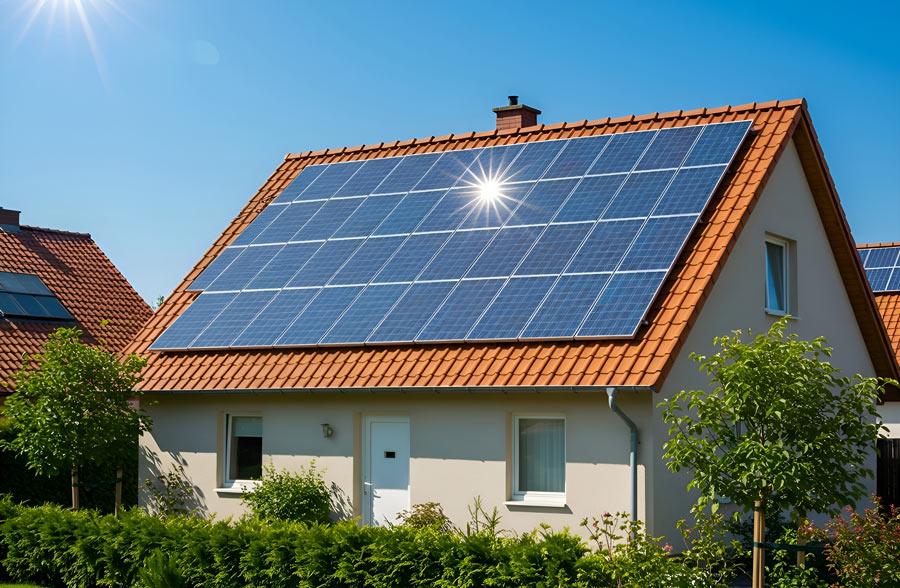
A solar panel installation starts long before the first panel is lifted onto the roof. The condition, shape and finish of the roof all help determine how securely the system can be mounted and how well it will perform over time.
For homeowners, the good news is that a professional survey should make this clear and practical. A tidy, well-assessed roof gives the installation team the information they need to plan the work properly, protect the property and create a neat result.
Why the roof survey matters
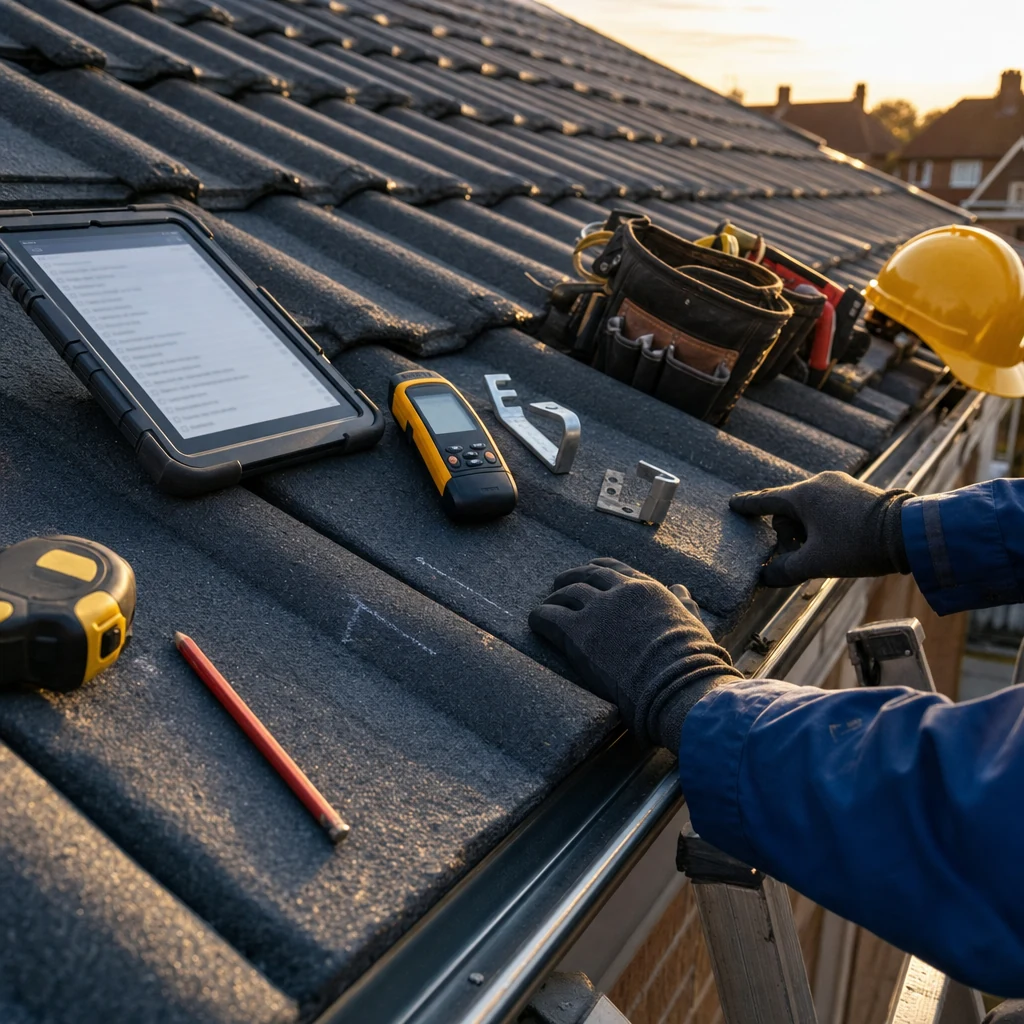
The roof survey is where the installer checks whether the proposed area is suitable for panels, mounting rails, fixings, cable routes and safe access. It is not just a quick glance at the roof covering. A good assessment looks at the structure, surface condition, roof angle, orientation, nearby shading and the route between the roof and the electrical equipment.
This early check helps the team choose the right mounting approach for the property. It can also highlight small issues that are easier to deal with before installation begins, such as loose tiles, tired flashing, blocked gutters or awkward access points.
If you are planning a solar panel installation, the survey is the point where the practical details become clear. The aim is not to turn the job into a roofing project, but to make sure the panels are installed on a roof that is ready to support them properly.
The structure needs to be suitable
Solar panels are designed to sit securely on a roof for the long term, so the structure beneath them matters. The installer will consider whether the roof timbers, covering and fixing points are suitable for the proposed system. This is especially important on older homes, converted buildings or roofs that have had several repairs over the years.
Homeowners do not need to diagnose this themselves. What matters is allowing the survey team to inspect the relevant areas and ask sensible questions about the age of the roof, any past leaks, recent repairs or planned building work.
Where a roof is in good order, the installation can normally be planned around its existing structure. If there are concerns, the homeowner may be advised to arrange roofing work before panels are fitted. That advice is useful because it avoids covering up a problem that would be harder to reach later.
On pitched roofs, installers will also look at how the panels can be fixed without compromising the roof covering. Where a roof is already nearing the point of renewal, it may be sensible to consider whether pitched roof re-roofing should happen before solar panels are installed.
Tiles, slates and coverings affect the fixing method
The roof covering plays a direct role in the installation method. Different tiles, slates and roof finishes need different handling, and a professional team will plan the fixing system around the material in front of them.
Cracked, slipped or fragile coverings should be noted before work begins. Panels are not there to hide roof defects. They need a sound, weatherproof surface beneath them, with fixings installed carefully so the roof continues to do its original job.
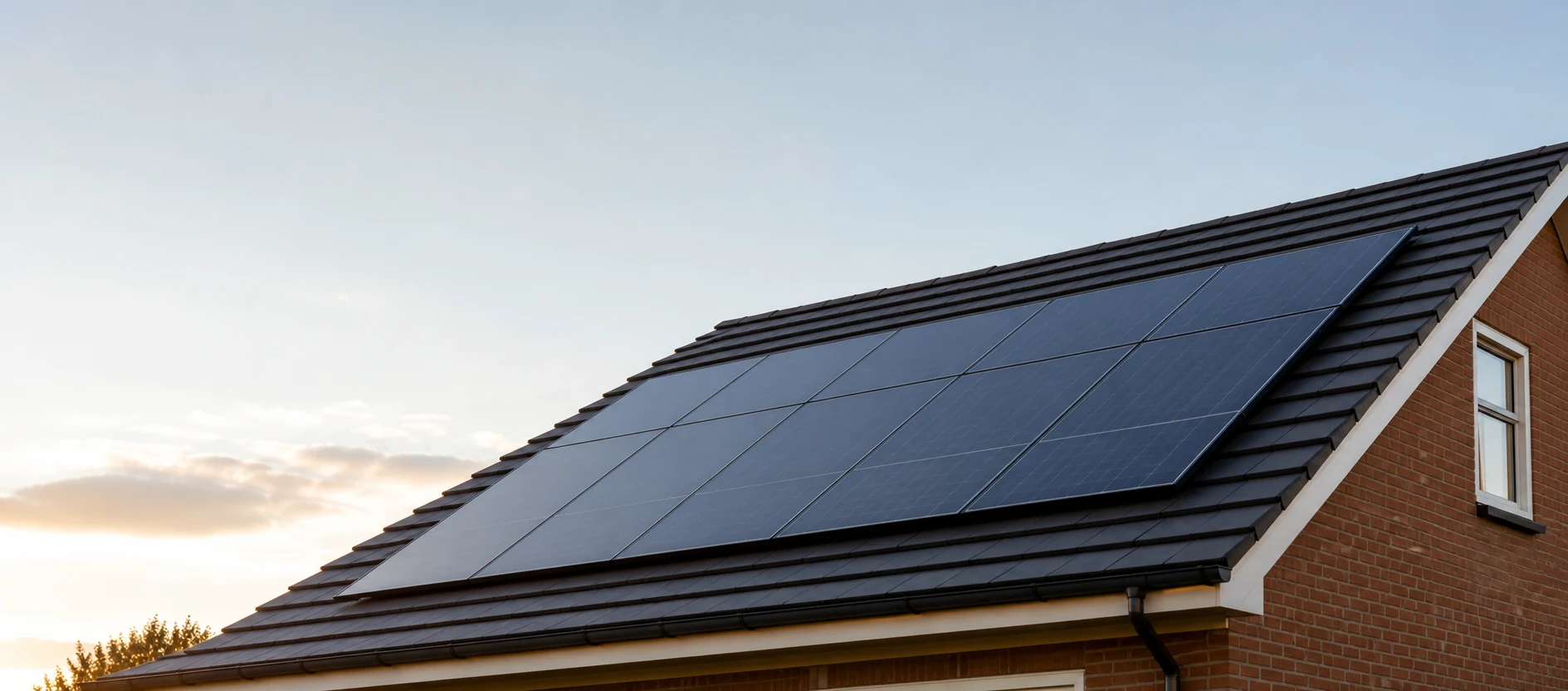
A neat installation also depends on small details. Rails should sit straight, fixings should be properly positioned, and disturbed coverings should be replaced cleanly. The finished roof should look orderly, with dark panels aligned in a way that suits the roof shape rather than fighting against it.
Flat roofs need a different approach again. The team must consider waterproofing, drainage and how the mounting system will sit without damaging the roof surface. If a flat roof is being upgraded or replaced, it can be useful to think about future solar at the same time as flat roofing installation.
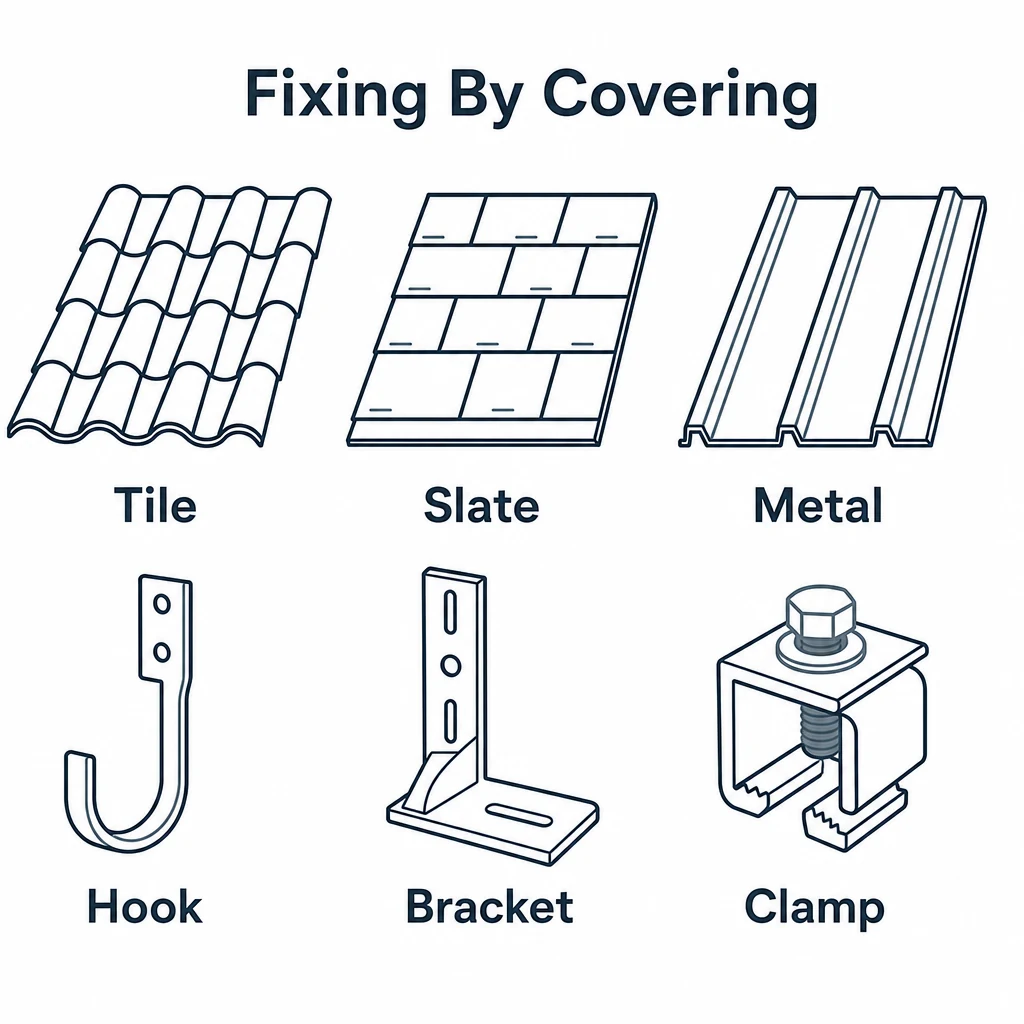
Drainage, edges and roof details still count
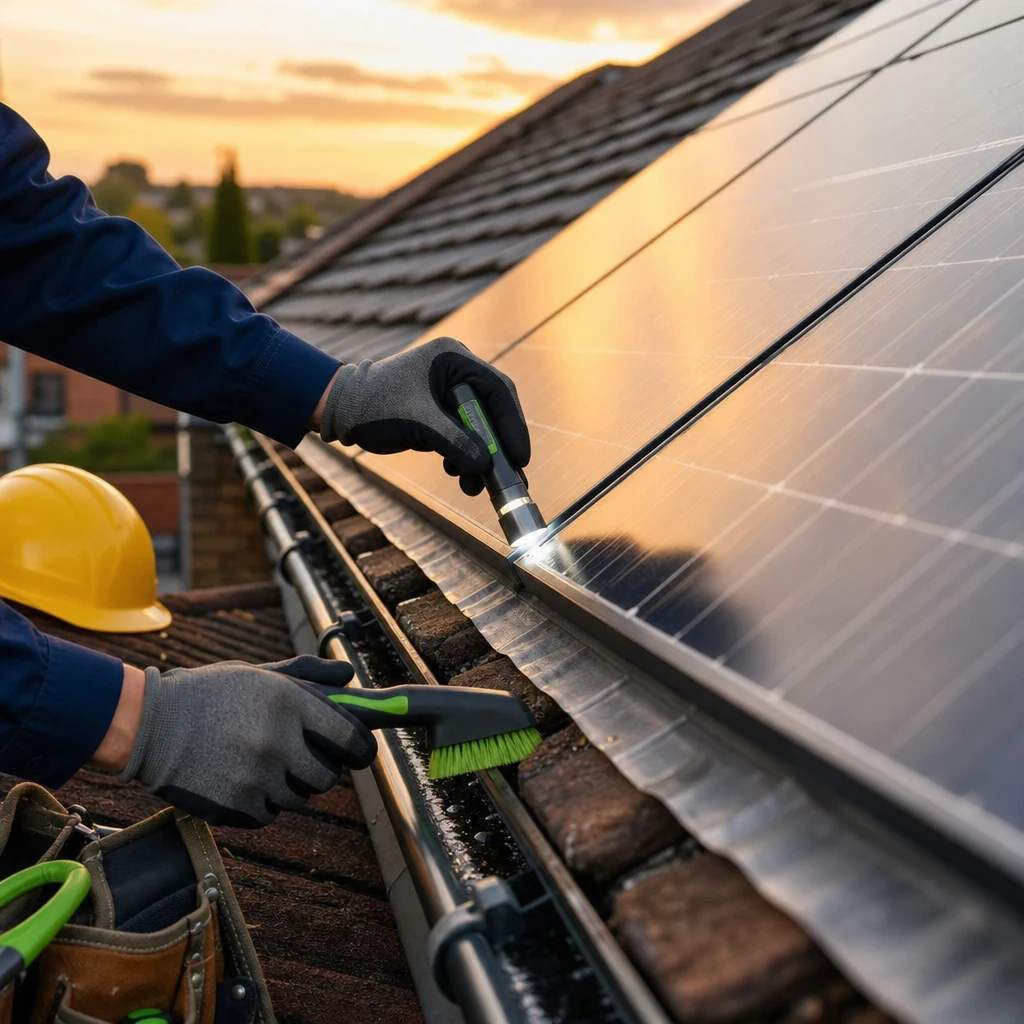
Solar panels may be the most visible part of the system, but roof edges and drainage details still matter. Gutters, fascias, soffits, valleys, chimneys, vents and rooflights can all affect where panels should go and how the team can work safely.
Good drainage helps keep the roof performing as intended. Blocked or damaged gutters can lead to unnecessary water problems around the property, while awkward roof details may reduce the usable panel area. A careful survey should pick up these constraints early.
This does not mean every roof detail needs to be perfect before solar can be considered. It means the installer should understand the roof as a whole. A tidy layout leaves access where it is needed and avoids creating preventable maintenance problems around edges, outlets and roof penetrations.
Where guttering or roofline components are already showing signs of wear, it may be worth dealing with them before installation. Practical upgrades such as fascias, soffits and gutters can help keep the roofline tidy and easier to maintain.
Access and working space help the job run smoothly
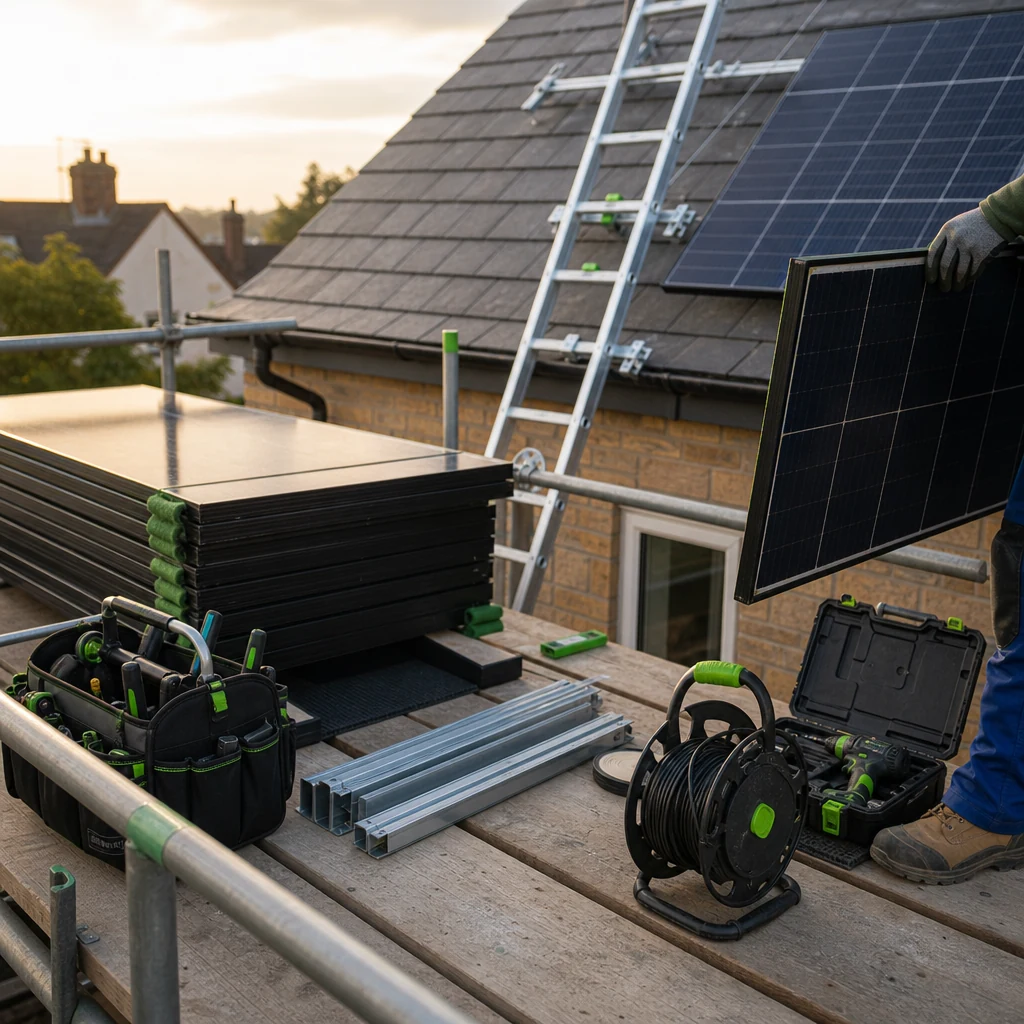
A good roof is not only about the surface itself. The installation team also needs safe, sensible access for ladders, lifting equipment, tools and materials. Clear access helps the team work carefully and keeps the area around the home organised.
Before installation day, homeowners may be asked to move vehicles, garden furniture or stored items that block access. The team may also need space for panels, rails, cable runs and electrical equipment while work is under way.
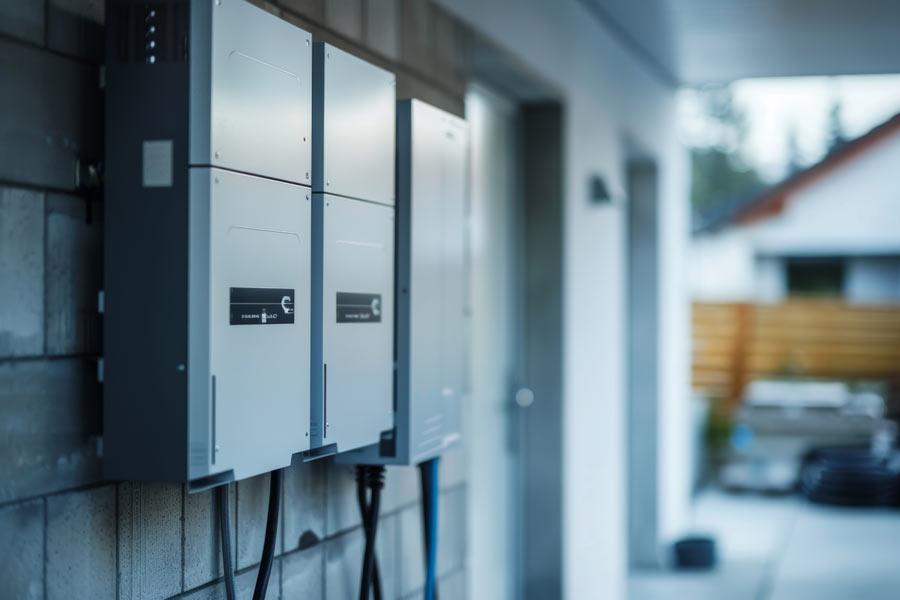
Professional installers will think about the route from ground level to roof level, as well as how cables will travel from the panels to the inverter and electrical connection point. A clean route keeps the finish discreet and reduces disruption inside the property.
For the homeowner, the main expectation is straightforward: the team should explain what access they need and why. A well-prepared site gives them room to work accurately, keep equipment tidy and leave the property in good order.
Roof condition can influence performance and maintenance
Roof condition does not only affect the installation day. It can also influence how easy the system is to inspect, maintain and live with over time. A roof with sound coverings, clear drainage and sensible panel placement is easier to manage than one where problems were ignored at the start.
Shading is part of this picture too. Chimneys, nearby structures, roof features and seasonal shade can all affect panel placement. A professional survey should consider where panels will receive useful light and where obstructions may reduce output.
The goal is a secure, efficient and tidy installation that suits the property. When the roof has been properly assessed, the installer can place panels with more confidence, plan cable routes more neatly and reduce the chance of avoidable follow-up work.
That is why roof condition should be seen as part of good planning, not as a barrier. Most homeowners simply need clear advice, a realistic survey and a team that treats the roof as carefully as the solar equipment.
- A professional roof survey should check structure, coverings, drainage, access and shading before installation.
- Solar panels should be fitted to a roof that is sound, weatherproof and suitable for the proposed mounting system.
- Loose tiles, tired roofline details or drainage issues are best identified before panels are installed.
- Flat roofs and pitched roofs need different fixing and waterproofing considerations.
- A well-assessed roof helps create a neater, safer and more efficient solar installation.
Frequently asked questions
Does my roof need to be new before solar panels are installed?
No. A roof does not need to be new, but it should be in sound condition. If the covering or structure is near the end of its useful life, it is better to deal with that before installing panels.
Will installers check for damaged tiles or slates?
A professional survey should look for visible issues such as cracked, loose or slipped coverings. The aim is to avoid installing over defects that could affect weatherproofing or access later.
Can solar panels be fitted on a flat roof?
Yes, many flat roofs can support solar panels, but the mounting approach is different. The installer will need to consider waterproofing, drainage, ballast or fixings, and the best panel angle.
What should I do before the installation team arrives?
Make sure access areas are clear, share any known roof history, and ask where equipment will be placed during the work. The installer should explain any specific preparation needed.
Planning solar with confidence
If you are considering solar panels, start with a proper roof assessment and clear advice from a practical installation team. A well-prepared roof gives your system the best foundation.