As more homeowners invest in solar panels, the next step in energy efficiency is domestic battery storage. While solar panels generate electricity during the day, battery storage allows you to store excess energy for later use, reducing reliance on the grid and lowering household energy bills. In this guide, we’ll explore the different types of domestic batteries, how to choose the right system for your home, and why professional installation matters.
What is Domestic Battery Storage?
Domestic battery storage is a system that stores excess electricity produced by your solar panels or other renewable energy sources. Instead of sending surplus energy back to the grid, the battery stores it for later use—usually during evenings or cloudy days.
The main components of a domestic battery system include:
- Battery units: Store electricity for later use.
- Inverters: Convert DC electricity from solar panels to AC electricity for home use.
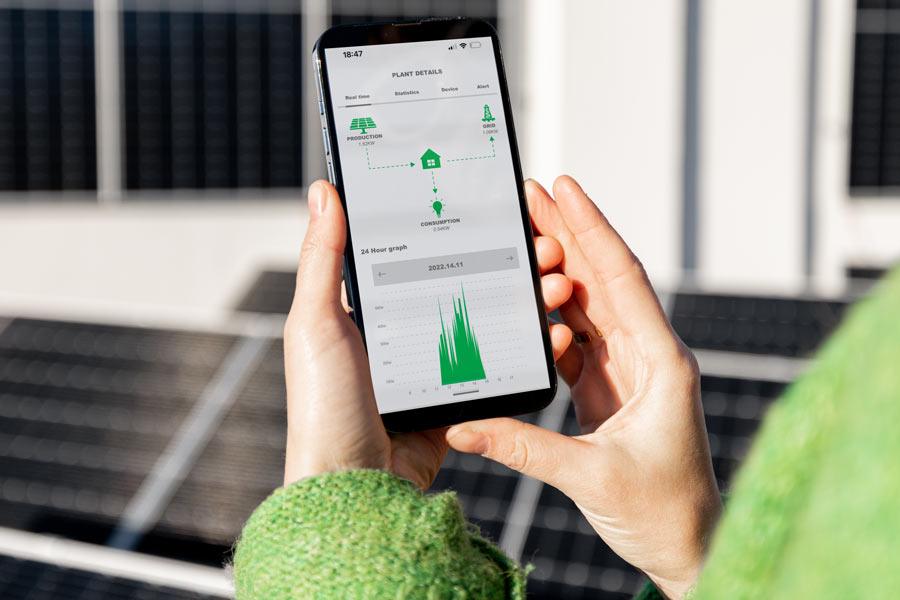
- Monitoring systems: Track energy production, storage levels, and consumption.
By combining solar panels with domestic battery storage, you can maximise the efficiency of your home energy system and make substantial savings on electricity bills.
Why Domestic Battery Storage Matters
- Reduce Energy Bills
One of the biggest advantages of domestic battery storage is cost savings. By storing the energy your solar panels generate, you can use it during peak times when electricity from the grid is more expensive. - Energy Independence
Domestic battery storage gives you more control over your energy use. You’re less dependent on the grid, which protects you from rising energy prices and supply fluctuations. - Environmental Impact
Using stored solar energy reduces your reliance on fossil-fuel-generated electricity, lowering your carbon footprint and contributing to a greener future. - Backup Power
Some battery systems provide limited backup power during blackouts, keeping essential appliances running. This can be particularly valuable in areas prone to power outages.
Types of Domestic Battery Storage
When choosing a battery system for your home, it’s important to understand the different types available:
1. Lithium-Ion Batteries
Lithium-ion batteries are the most common for domestic use. They’re lightweight, compact, and efficient, with long lifespans and high energy density. Most modern solar systems pair seamlessly with lithium-ion batteries.
Pros: High efficiency, long lifespan, compact design
Cons: Higher upfront cost compared to lead-acid batteries
2. Lead-Acid Batteries
Lead-acid batteries are older technology but can still be effective for domestic storage, particularly in larger homes or when cost is a concern. They’re heavier and less efficient than lithium-ion but more affordable initially.
Pros: Lower upfront cost, proven technology
Cons: Larger, heavier, shorter lifespan
3. Flow Batteries
Flow batteries are less common in homes but offer advantages for larger systems. They’re highly durable and allow for flexible energy storage capacity, although they require more space and can be costly.
Pros: Long lifespan, scalable storage
Cons: High installation cost, larger footprint
Factors to Consider When Choosing Domestic Battery Storage
Selecting the right battery system depends on several key factors:
- Energy Needs
Assess your household energy consumption. Larger homes with high electricity use may require bigger storage capacity, while smaller homes might only need a modest system. - Battery Capacity
Battery capacity is measured in kilowatt-hours (kWh). Higher capacity batteries store more energy, allowing you to use solar power for longer periods or even overnight. - Depth of Discharge (DoD)
DoD indicates how much of the battery’s stored energy can be used without damaging it. Lithium-ion batteries typically have higher DoD, meaning more usable energy. - Efficiency
Battery efficiency affects how much energy is lost during storage and retrieval. Lithium-ion batteries generally offer the best efficiency, around 90–95%. - Cost and Payback
Consider upfront costs against long-term savings on energy bills. While lithium-ion batteries cost more initially, their lifespan and efficiency often make them more economical over time. - Warranty and Support
A strong warranty provides peace of mind. Many battery manufacturers offer warranties of 10 years or more, covering capacity retention and potential defects.
Benefits of Professional Domestic Battery Storage Installation
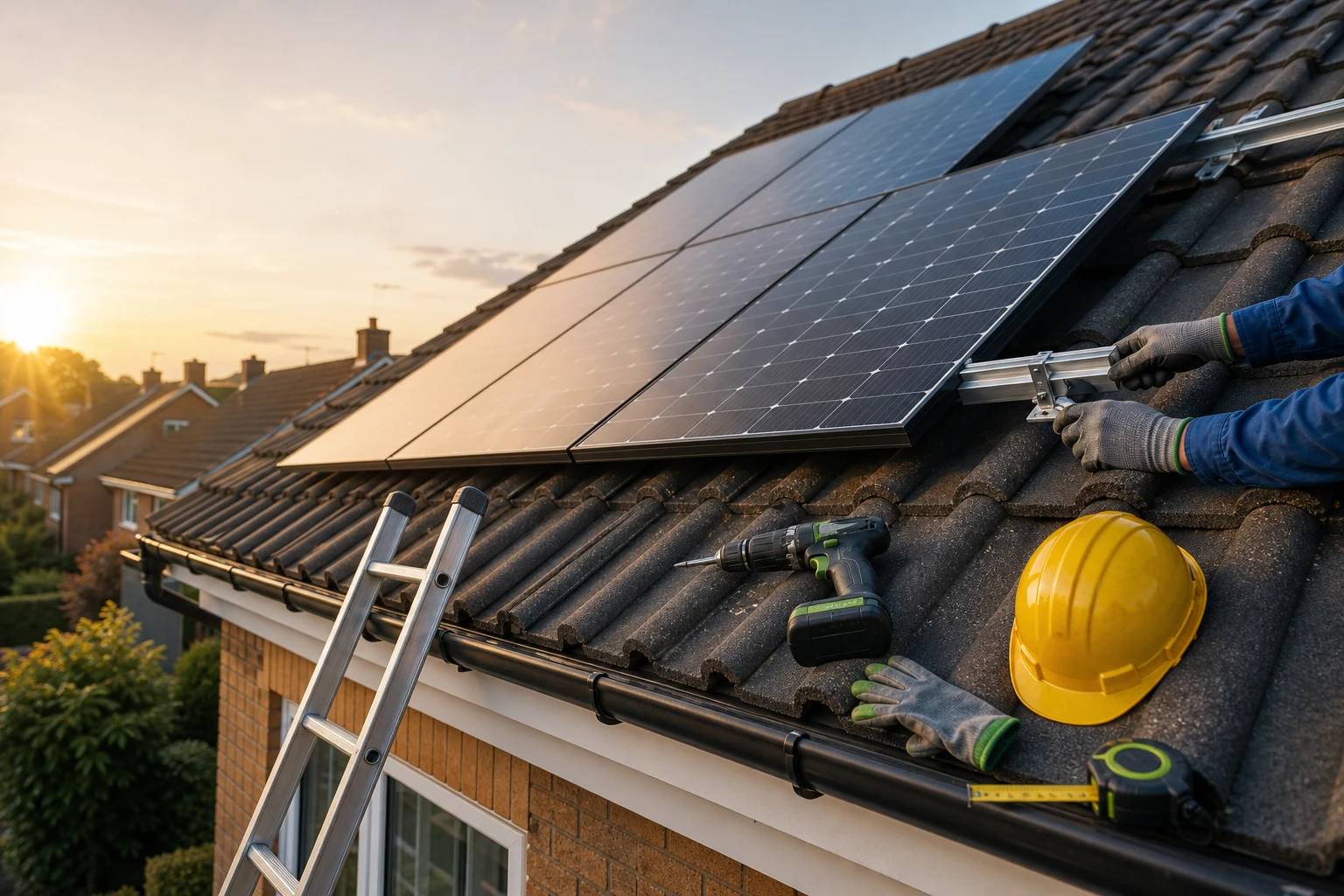
While some may be tempted to install a battery themselves, professional installation is highly recommended. A certified installer ensures:
- Safe integration with your existing solar system
- Correct sizing for your home energy needs
- Compliance with building and electrical regulations
- Optimised performance and longevity of your battery system
Professional installers also provide monitoring solutions, allowing you to track energy production, usage, and battery performance through apps or online dashboards.
Maximising Your Savings with Domestic Battery Storage
To get the most from your battery system:
- Use Stored Energy Strategically
Run high-consumption appliances like washing machines and dishwashers when your battery is charged. - Monitor Energy Usage
Most modern battery systems include apps or software to track production and consumption, helping you identify patterns and optimise use. - Combine with Smart Home Technology
Smart thermostats, timers, and energy-efficient appliances complement domestic battery storage, further reducing energy bills. - Regular Maintenance
Keep your battery in good condition with periodic inspections and follow manufacturer guidance for maintenance.
Is Domestic Battery Storage Right for Your Home?
Domestic battery storage is ideal for households with solar panels looking to maximise energy independence and cut electricity costs. It can also be beneficial for homes with frequent power outages or high peak electricity rates.
While the initial investment can be significant, long-term savings, environmental benefits, and the added security of backup power make it a worthwhile consideration for many homeowners.
Conclusion
Investing in domestic battery storage is more than just an upgrade—it’s a way to take control of your home energy use, reduce bills, and contribute to a greener future. Choosing the right battery involves evaluating your energy needs, budget, and the type of system best suited for your home.
Professional installation ensures your battery is safe, efficient, and reliable, giving you peace of mind and maximum return on investment. Whether you’re looking to store solar energy for night-time use, reduce reliance on the grid, or gain backup power, domestic battery storage is a practical step toward smarter, more sustainable living.