In recent years, more homeowners are exploring solar power installation as a practical way to reduce energy costs. With rising electricity prices and growing environmental concerns, investing in solar panels isn’t just about being eco-friendly—it can also make a significant difference to your household budget. In this post, we’ll explore how solar panels work, the savings you can expect, and why a professional installation matters.
Understanding Solar Power Installation
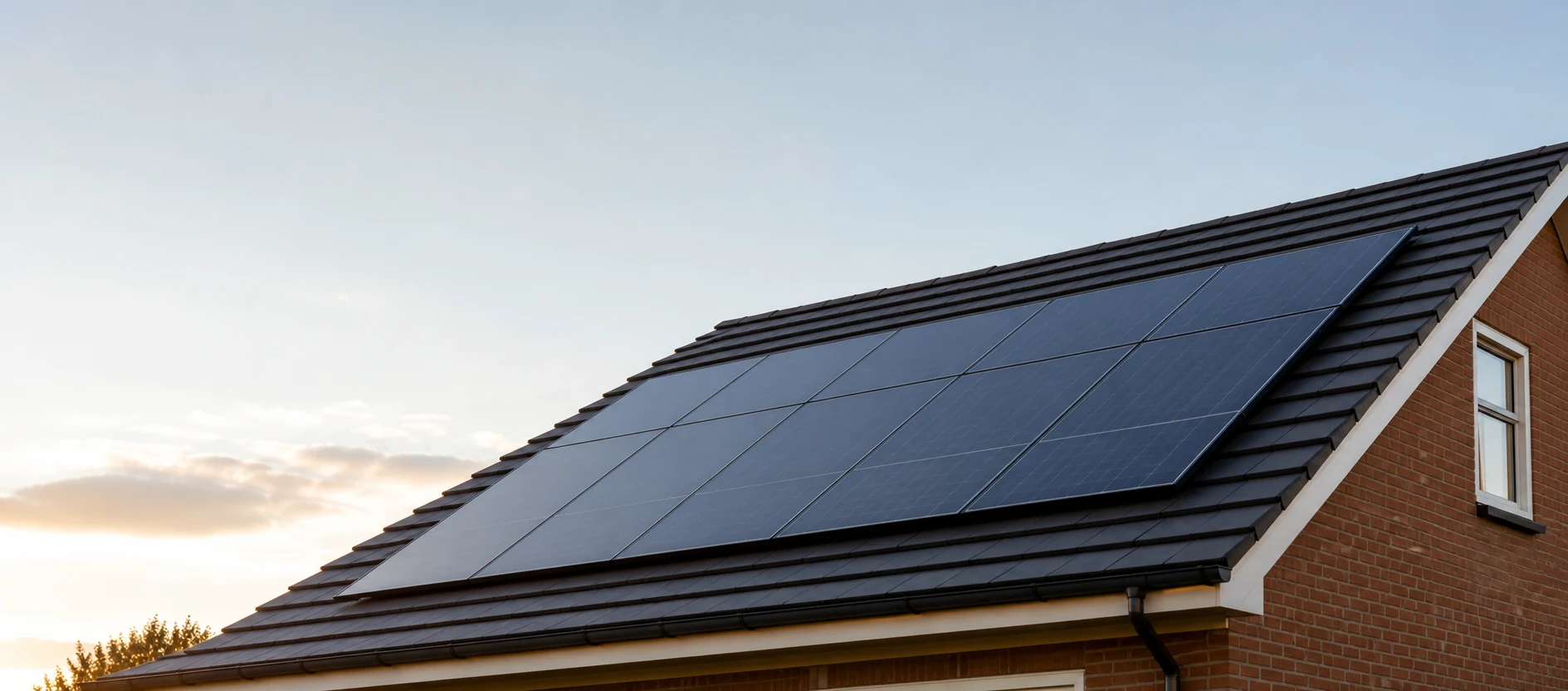
At its core, solar power installation involves placing photovoltaic (PV) panels on your roof or property to capture sunlight and convert it into electricity. The electricity generated can either power your home directly or charge a battery storage system for use later. By using your own solar energy, you rely less on grid electricity, which is where the cost savings begin.
A typical solar setup includes:
- Solar panels to capture sunlight
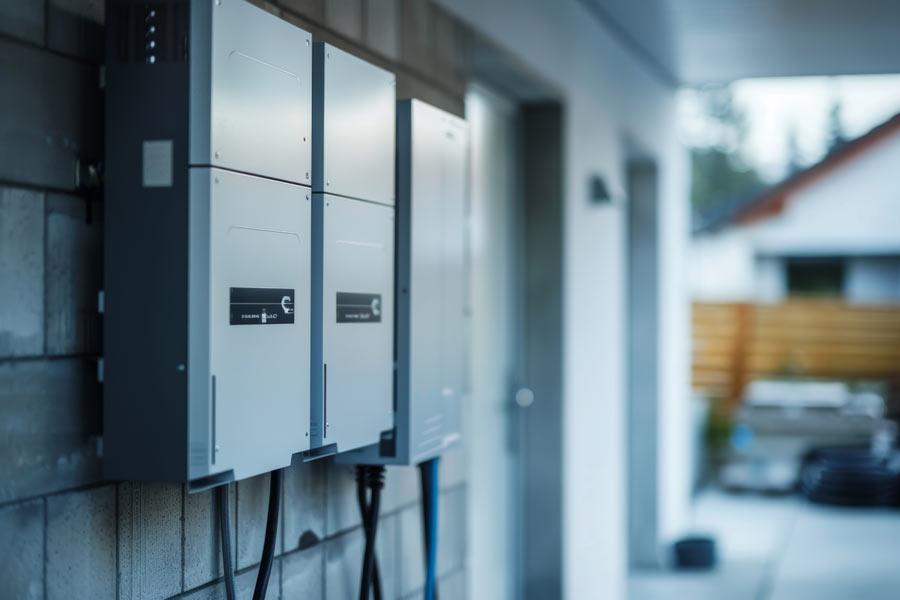
- Inverters to convert DC power into usable AC electricity
- Battery storage (optional) to save unused energy
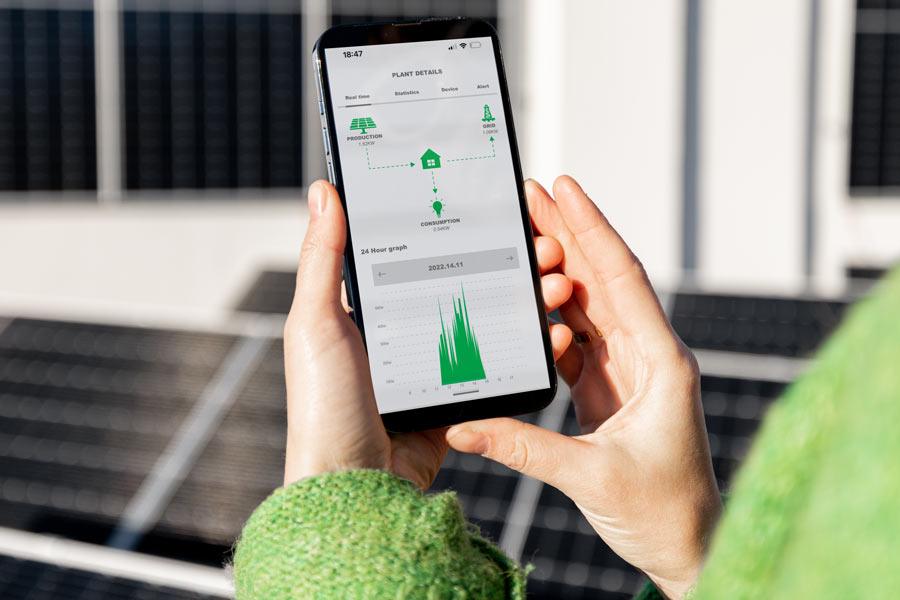
- Monitoring systems to track energy production and usage
Professional solar power installation ensures that your system is correctly sized, safely connected, and optimised for maximum efficiency.
How Solar Panels Reduce Energy Bills
- Direct Reduction in Electricity Use
The most obvious way solar panels cut bills is by generating power you’d normally buy from your energy provider. For households with average energy consumption, solar panels can supply a substantial portion of daily electricity, particularly during summer months. - Energy Storage for Evening Use
Pairing your solar panels with a battery storage system means that excess energy generated during the day can be stored and used at night. This reduces the need to purchase expensive grid electricity during peak hours, further cutting costs. - Feed-in Tariffs and Export Payments
Some regions offer financial incentives for exporting unused solar power back to the grid. While these incentives vary, they can add a small but useful credit to your energy bills, making solar panels even more cost-effective. - Long-Term Savings
Although the initial investment in solar power installation can seem significant, panels typically last 25 years or more. Over time, the reduction in energy bills often outweighs installation costs, delivering strong long-term financial benefits.
Factors That Influence Savings
The amount you save depends on several factors:
- Roof Size and Orientation: South-facing roofs capture the most sunlight, increasing electricity production.
- Household Energy Use: Homes with higher daytime electricity usage benefit most from solar panels.
- Local Energy Prices: The higher your current electricity costs, the quicker your savings accumulate.
- Shading: Trees, buildings, or chimneys that block sunlight can reduce panel efficiency.
A professional solar power installation provider will assess these factors and recommend a system tailored to your home’s unique conditions.
Additional Benefits of Solar Panels
While the financial savings are compelling, solar panels offer other advantages that homeowners often overlook:
- Environmental Impact: Solar panels reduce reliance on fossil fuels, cutting your carbon footprint.
- Energy Independence: Generating your own electricity protects you from fluctuating energy prices.
- Property Value Increase: Homes with solar panels are often more attractive to buyers, adding value if you decide to sell.
- Low Maintenance: Modern solar panels require minimal upkeep, mostly just occasional cleaning and inspections.
Choosing the Right Solar Power Installation
Selecting a reputable company for solar power installation is crucial. Poor installation can reduce efficiency, cause safety issues, and even invalidate warranties. Look for providers that offer:
- Certified, experienced installers
- Custom system design based on your energy needs
- Clear warranties on panels and inverters
- Assistance with permits and local incentives
Energy Innovation by Design, for example, combines expertise in solar, battery storage, and roofing to ensure your system is installed safely and efficiently.
Tips for Maximising Your Savings
To make the most of your solar panels and lower your household energy bills:
- Use High-Energy Appliances During Daylight – Run washing machines, dishwashers, and other appliances when the sun is shining.
- Invest in Battery Storage – Store excess electricity for use in the evening or on cloudy days.
- Monitor Energy Use – Many systems include apps to track production and consumption, helping you optimise usage.
- Keep Panels Clean – Dirt or debris can reduce efficiency, so regular cleaning is recommended.
- Combine With Energy-Efficient Upgrades – LED lighting, smart thermostats, and insulation improve savings further.
The Installation Process
A professional solar power installation typically involves:
- Site Survey – Experts evaluate your roof, sunlight exposure, and energy needs.
- System Design – Panels, inverters, and storage are sized for optimal efficiency.
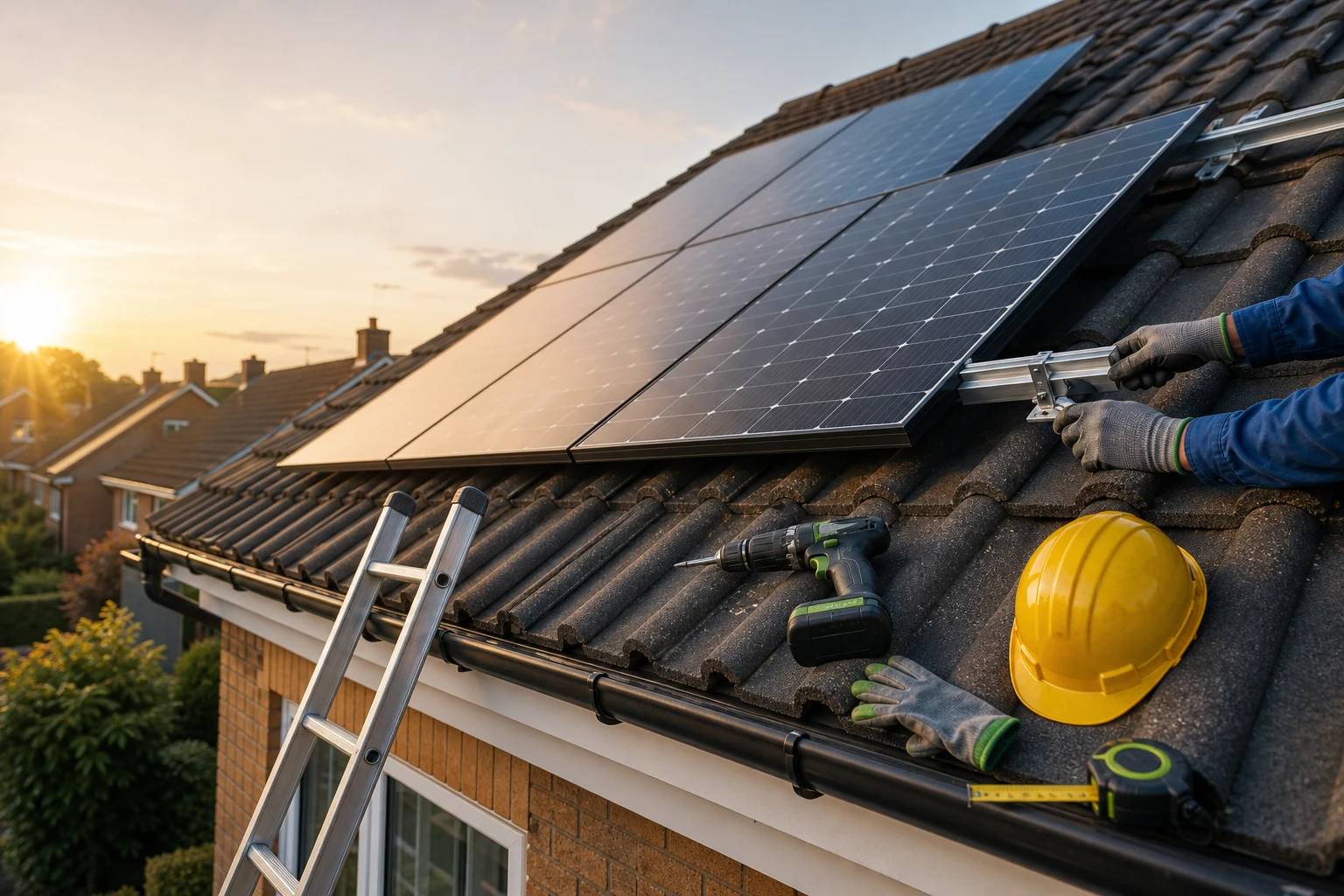
- Installation – Panels are mounted and connected to your home’s electrical system.
- Testing & Commissioning – Ensures the system operates safely and at peak performance.
- Ongoing Support – Many providers offer monitoring and maintenance packages to keep your system running efficiently.
Is Solar Right for Your Home?
If your household consumes a significant amount of electricity and your roof receives good sunlight, solar panels are likely to deliver noticeable savings. Even partial installations can reduce bills and provide a stepping stone toward energy independence.
Final Thoughts
Solar power installation isn’t just a way to save on electricity—it’s an investment in your home, your finances, and the environment. By generating your own electricity, storing excess energy, and making smart usage choices, homeowners can significantly cut their energy bills while contributing to a greener future.
Choosing the right provider is key. Professional installers like Energy Innovation by Design ensure your system is safe, efficient, and designed to deliver maximum savings for years to come.