For many homeowners, a roof replacement sits somewhere between “necessary expense” and “something to put off as long as possible”. It’s not the most exciting upgrade, and it rarely feels urgent—until it suddenly is. A small leak, a loose tile, or visible wear can quickly turn into a bigger issue.
But beyond the immediate need, there’s a broader question worth asking: is a roof replacement actually worth the investment? And more specifically, how do the costs compare with the long-term savings?
Understanding the Cost of Roof Replacement
The cost of a roof replacement can vary quite a bit depending on several factors:
- Property size and roof complexity
- Choice of materials (tiles, slate, flat roofing systems)
- Labour and access requirements
- Structural repairs, if needed
In the UK, a typical roof replacement might range from a few thousand pounds for a small property to significantly more for larger or more complex homes. Flat roofs, using materials like EPDM or GRP fibreglass, often fall into a different pricing bracket compared to traditional pitched roofs.
It’s easy to focus on that upfront cost and hesitate. Still, that number only tells part of the story.
The Hidden Costs of Delaying Roof Replacement
One of the more common approaches is to patch and repair an ageing roof for as long as possible. Sometimes that makes sense—but not always.
Over time, repeated repairs can add up. More importantly, they don’t always address underlying issues.
Here’s what delaying a roof replacement can lead to:
- Water damage affecting ceilings, insulation, and internal walls
- Higher energy bills due to poor insulation and heat loss
- Structural problems if moisture reaches timber supports
- Mould and damp, which can affect both the property and health
There’s also the disruption factor. Emergency repairs tend to happen at the worst possible time—often during bad weather—and rarely come cheap.
At a certain point, continuing to repair an old roof may cost more in the long run than replacing it properly.
Energy Efficiency and Long-Term Savings
This is where the conversation becomes more interesting. A modern roof replacement isn’t just about keeping the rain out—it can also improve how your home performs overall.
Older roofs, particularly those without proper insulation, allow a significant amount of heat to escape. That means your heating system has to work harder, especially during colder months.
With a new roof, you can:
- Upgrade insulation
- Improve ventilation
- Reduce heat loss
The result? Lower energy bills over time.
It’s difficult to put an exact figure on savings because every home is different. But many homeowners notice a steady reduction in heating costs once a poorly performing roof is replaced.
Adding Value to Your Property
A roof replacement can also have a noticeable impact on property value.
While it might not always add a fixed percentage to your home’s price, it does make your property more attractive to potential buyers. A new roof signals that the home has been well maintained and reduces the likelihood of future issues.
From a buyer’s perspective, an ageing roof can be a negotiating point—or even a deal breaker. So while you might not recover the full cost immediately, it can:
- Speed up the sale process
- Reduce price negotiations
- Improve buyer confidence
It’s one of those upgrades that tends to work quietly in the background.
Choosing the Right Materials
Not all roofs are equal, and the type of system you choose plays a big role in both cost and long-term value.
Flat Roofing Options
Modern flat roofing systems have improved significantly in recent years. Popular options include:
- EPDM rubber roofing – durable and weather-resistant
- GRP fibreglass roofing – seamless and long-lasting
- High-performance felt systems – cost-effective and reliable
These materials are designed to last for decades with minimal maintenance.
Pitched Roofing Options
For pitched roofs, common choices include:
- Concrete tiles – affordable and widely used
- Clay tiles – more traditional with longer lifespan
- Natural slate – premium option with excellent durability
Each comes with its own balance of cost, appearance, and longevity. A well-chosen material can extend the life of your roof replacement significantly.
Maintenance and Durability
Another factor worth considering is maintenance.
Older roofs often require ongoing attention—replacing tiles, fixing flashing, clearing leaks. A new roof, on the other hand, tends to need very little intervention in the early years.
Modern materials are designed to withstand:
- Harsh weather conditions
- Temperature fluctuations
- UV exposure
That doesn’t mean maintenance disappears entirely, but it does become far less frequent and more predictable.
Over time, this reduction in upkeep contributes to the overall savings of a roof replacement.
When Is the Right Time for Roof Replacement?
Timing matters. Replace too early, and you might not get full value from your existing roof. Wait too long, and costs can escalate.
Some signs it may be time to consider a roof replacement include:
- Frequent leaks or water ingress
- Missing, cracked, or slipping tiles
- Visible sagging or structural issues
- Roof age approaching 20–30 years (depending on material)
It’s not always obvious, which is why a professional inspection can be useful. Sometimes what looks like a minor issue on the surface points to a larger underlying problem.
Combining Roof Replacement with Other Upgrades
There’s also a practical angle to think about.
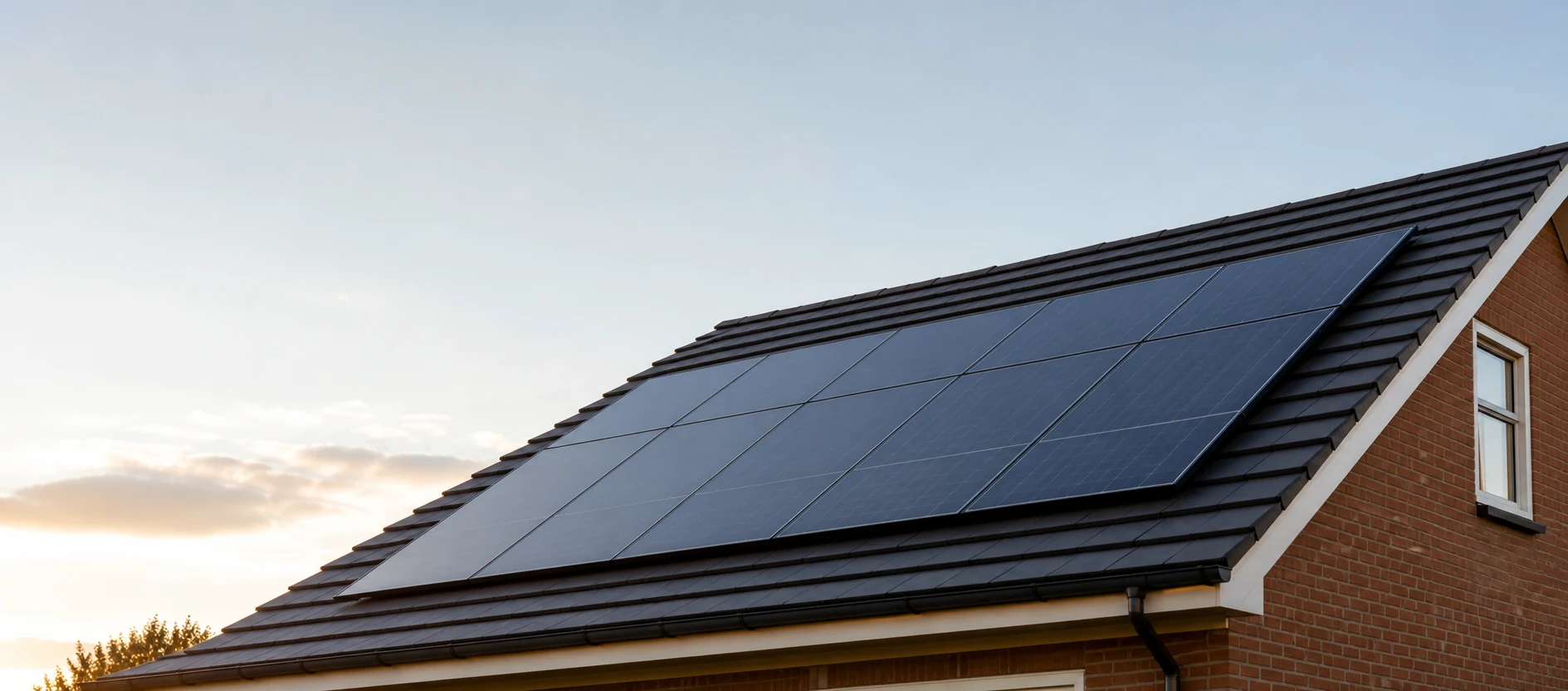
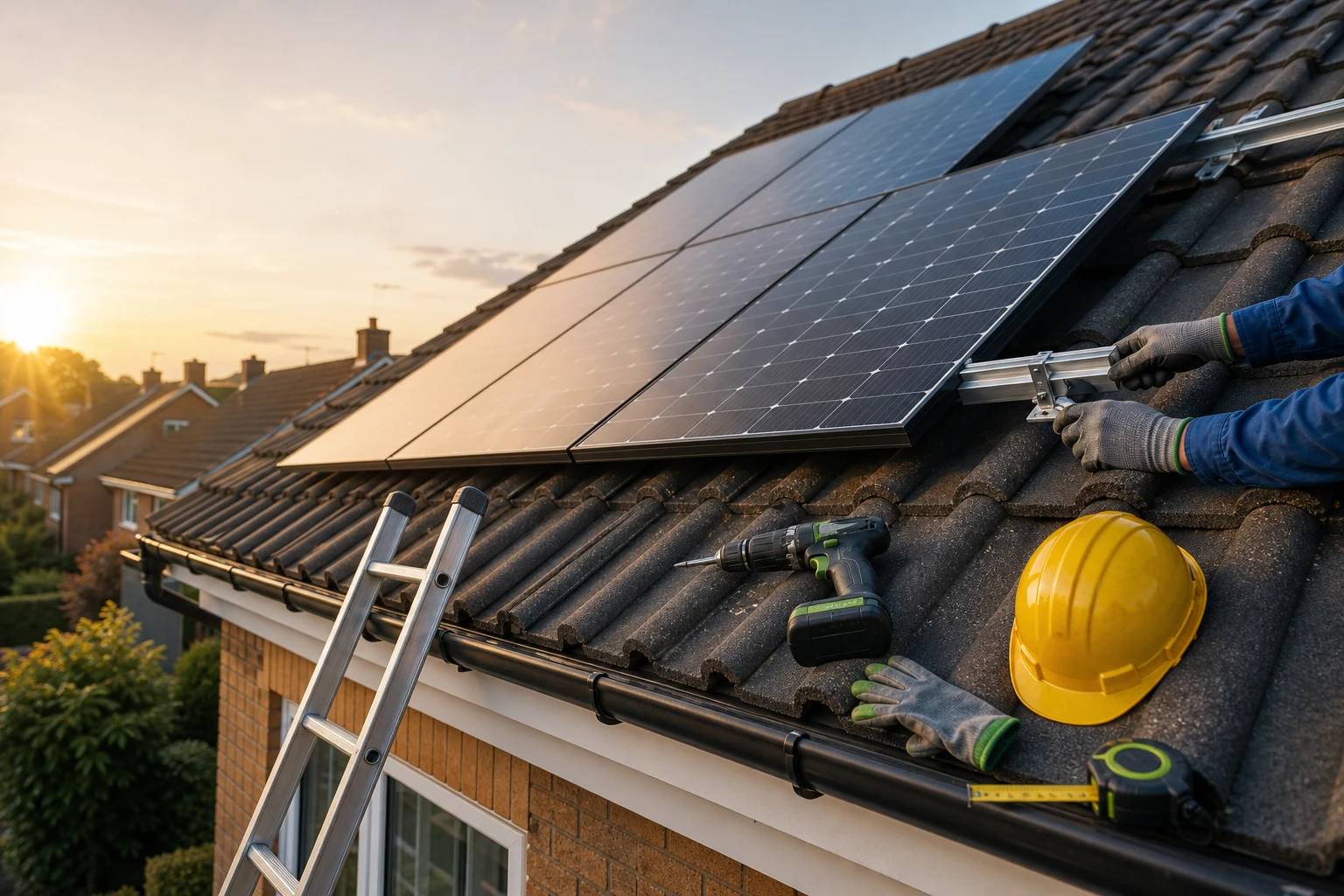
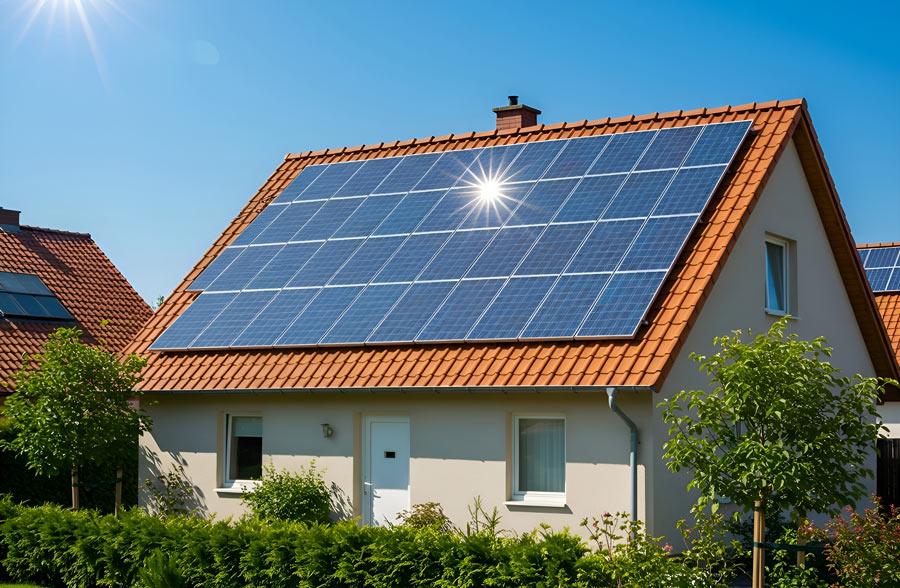
If you’re considering solar panels, for example, it often makes sense to carry out a roof replacement beforehand. Installing solar on an ageing roof can lead to complications later, especially if the roof needs work after the panels are fitted.
Similarly, upgrades like improved insulation or new fascias and gutters can often be done at the same time, reducing overall labour costs.
It’s a bit of a “while you’re there” approach, but one that can make financial sense.
So, Is a Roof Replacement Worth It?
The answer, perhaps frustratingly, depends on your situation.
If your roof is relatively new and in good condition, repairs may be enough. But if it’s ageing, inefficient, or requiring constant attention, a full roof replacement often becomes the more sensible option.
When you look beyond the upfront cost and consider:
- Reduced repair bills
- Lower energy costs
- Increased property value
- Improved comfort and reliability
…it starts to feel less like an expense and more like a long-term investment.
Final Thoughts
A roof replacement isn’t something most homeowners rush into, and that’s understandable. It’s a significant decision, both financially and practically.
Still, when viewed over the lifespan of the roof, the balance between cost and savings often shifts. What seems like a large upfront spend may, over time, reduce ongoing expenses, improve efficiency, and add lasting value to your home.
If you’re weighing up whether it’s worth it, it may be less about the immediate cost and more about what you gain—or avoid—over the years that follow.